


Custom Restaurant Chairs: Stains, Upholstery and Finishes Explained
11:21 | Wed | 07 October 2026
Custom Restaurant Chairs: Stains, Upholstery and Finishes Explained
Updated October 2026 · By the BESeating team — manufacturing commercial seating since 1993
Quick answer: Custom restaurant chairs usually start from a proven commercial model that is then personalized with a custom wood stain, commercial vinyl or fabric, a frame finish and the seat type you need. This gives you a unique, on-brand look with commercial durability — without the cost and lead time of a one-off design.
Your seating is part of your brand. The right stain, upholstery and finish make a dining room feel designed rather than furnished. The good news is that you do not need a bespoke chair to get there. This guide explains what you can customize on commercial restaurant chairs, how the process works and how to keep chairs, bar stools and booths consistent.

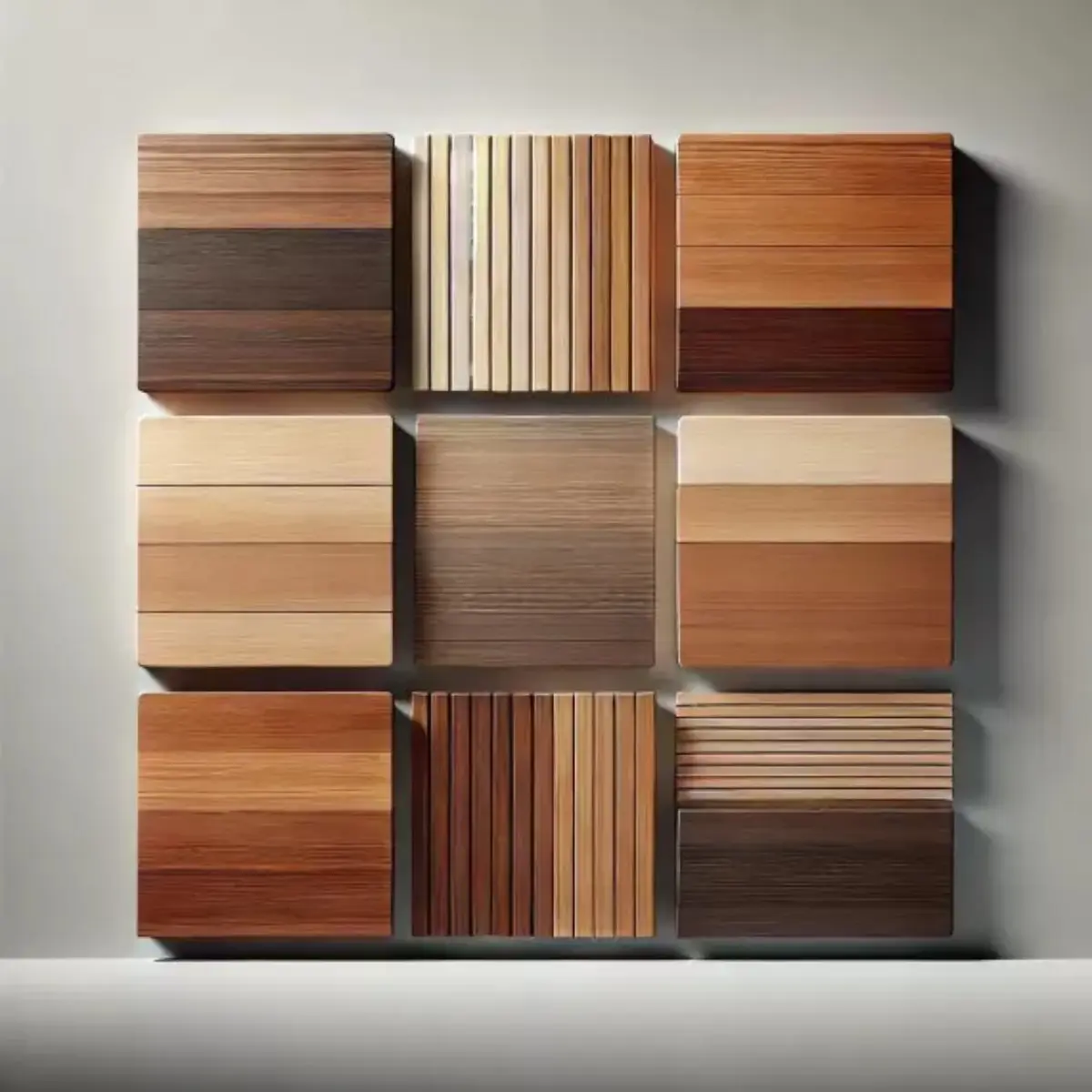
Stain options: View wood stain colors
Key takeaways
- Customize a proven commercial model rather than designing from scratch.
- The main options are stain, upholstery, frame finish and seat type.
- Keep one element consistent across chairs, stools and booths.
- Approve a sample of the customized chair before production.
1) What can you customize on a restaurant chair?
| Option | Choices | Why it matters |
|---|---|---|
| Wood stain | Natural to black, plus custom color matching | Matches floors, bar fronts and millwork |
| Upholstery | Commercial vinyls and fabrics in many colors and textures | Sets the mood and brand color |
| Frame material and finish | Wood, metal or resin in a range of colors | Defines the style: classic, modern, industrial |
| Seat type | Wood, upholstered seat, upholstered seat and back, fully upholstered | Balances comfort and cleaning |
| Back details | Wood, cane, upholstered panels on selected models | Adds texture and character |
2) How does custom stain matching work?
Send us a sample or reference of the color you want to match — a piece of flooring, a bar panel or a door finish. The stain is developed on the chair’s wood so you see the real result. Beech takes stain very evenly, which makes it ideal for precise matches; oak shows more grain through the color. Once approved, the stain reference is kept for your future orders.
3) How do you choose custom upholstery?
- Vinyl for busy rooms, booths and family venues — it wipes clean and handles sanitizers.
- Fabric for lounges, hotels and fine dining — softer, warmer and more textured.
- Mid and dark tones or patterns hide wear in high-traffic zones.
- Accent colors on a few chairs or booths add personality without overwhelming the room.

Fabric collection: View Alpine Moss fabrics
See all options on our Color & Upholstery page.
4) Which frame finish should you choose?
- Wood frames: warm and classic; the stain decides the mood.
- Metal frames: powder-coated colors from black and white to brass tones suit modern and industrial concepts.
- Mixed frames: a metal base with a wood or upholstered shell combines strength and warmth.
5) How does the custom chair process work?
- Choose a base model from our chairs or bar stools.
- Select stain, upholstery and finish from Color & Upholstery, or send references to match.
- Approve a sample of the customized chair.
- Confirm quantities and delivery timing.
- Production runs to the approved sample.

Customizable model: View the Bernie 2P upholstered chair
6) How do you keep chairs, stools and booths consistent?
Pick one or two elements and repeat them everywhere: the same wood stain on chairs, stools and booth bases, or the same vinyl on chair seats and booth backs. That makes a room feel designed even when it mixes several models. It also makes reorders and expansions simple.
7) Customizing for a restaurant brand or group
For restaurant groups, customization is about consistency. Record every specification — model, stain code, upholstery reference, finish — and keep an approved master sample. Our production supports both independent restaurants and multi-location rollouts, with custom stain matching kept on file.
8) Does customization affect durability?
No, if you start from a commercial model. The frame, joints and testing stay the same; only the appearance changes. Always choose upholstery specified for commercial use. Every BESeating chair goes through a quality testing process.

Another customizable model: View the Loft P upholstered chair
9) How long do custom chairs take?
Custom stains and upholstery add a sampling and approval step, so plan earlier than for stock items. Timing depends on model, quantity and materials — ask our team for a schedule when you request a quote, and allow time for sample approval before your opening date.
10) Mistakes to avoid with custom chairs
- Choosing colors from a screen instead of physical samples
- Using light, flat fabrics in high-spill zones
- Mixing too many stains and fabrics in one room
- Skipping the sample approval step
- Using residential fabric on commercial chairs
11) Which concepts benefit most from customization?
- Branded restaurant groups: signature colors across every location.
- Hotels: seating matched to room and lobby finishes.
- Design-led restaurants: distinctive colors and textures that photograph well.
- Refits: new chairs matched to existing booths, floors and bar.
12) How do you build a seating color scheme?
A simple three-part scheme works for most restaurants. Choose one base wood tone for chair frames, bar stools and booth bases — this ties the room together. Add one main upholstery color for the majority of seats, usually a mid or dark tone that hides wear. Then use one accent color or texture on a few booths, a lounge corner or bar stools to create focal points. Pull the accent from your logo, artwork or menu design so the seating supports your brand. Before you commit, lay the stain sample and upholstery swatches together on one of your tables, in your own lighting, and look at them at different times of day.
Final recommendation
Start with a proven commercial chair, then make it yours with stain, upholstery and finish. Approve a sample, keep the references on file and repeat one element across all your seating.
Next step: Ask for a custom quote or request stain and fabric samples.
FAQ: Custom Restaurant Chairs
Can restaurant chairs be customized?
Yes. Commercial restaurant chairs can usually be customized with a different wood stain, upholstery, frame finish and seat type, while keeping the same tested construction.
Can you match a wood stain to my floor?
Yes. BESeating offers custom stain matching. Send a sample or reference of the color, approve the result on a chair sample and the stain reference is kept for future orders.
What upholstery options are available for custom chairs?
Custom chairs can be upholstered in a wide range of commercial vinyls and fabrics in many colors and textures, chosen for durability in restaurant use.
Do custom restaurant chairs take longer to produce?
Yes, slightly, because colors and upholstery are sampled and approved first. Plan earlier than for stock items and confirm timing with your quote.
Is customization worth it for a small restaurant?
Often, yes. Even a simple custom stain or upholstery color makes an independent restaurant feel distinctive and matches seating to the rest of the interior.



Be Seating 2010 - 2026 All rights reserved ©
Request a quote
CloseName
Phone
Company name
Industry type
Country
Notes
Please enter the result below
I agree with....
Wrong verification code.
All fields are mandatory
Thank you for your message! We will come back to you shortly.