


Wood vs Metal Restaurant Chairs: Pros, Cons & What Works Best
19:42 | Fri | 23 January 2026
Wood vs Metal Restaurant Chairs: Pros, Cons & What Works Best
Choosing restaurant chairs comes down to more than looks. In a busy US restaurant, chairs take daily abuse from constant movement, frequent cleaning, and high guest turnover. The material you choose—wood or metal—affects durability, maintenance, comfort, and the overall feel of your dining room.
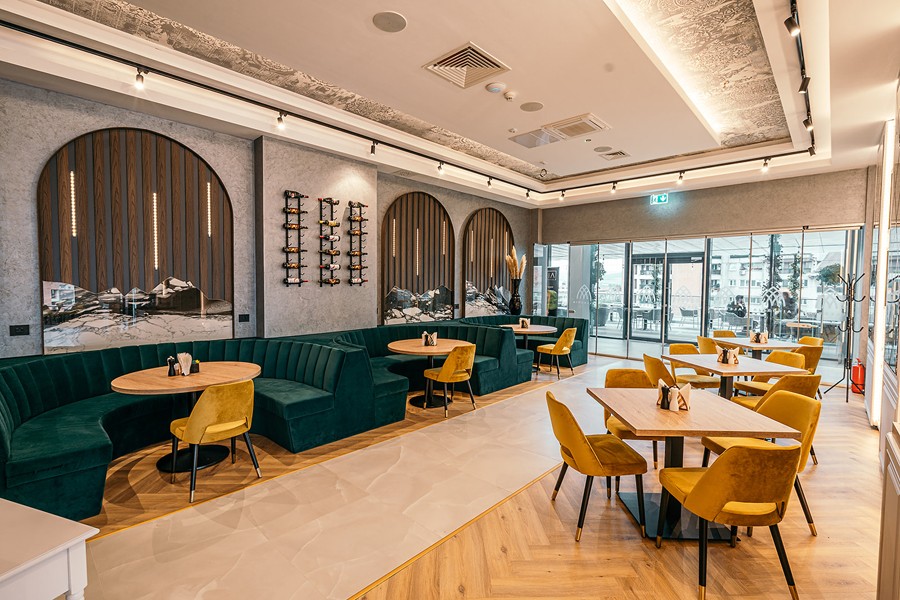
Featured seating inspiration: Shop Restaurant Chairs
In this guide, we break down the real-world differences between wood vs metal restaurant chairs, and we’ll show which option makes sense for your concept—fine dining, casual dining, cafés, fast casual, bars, and hospitality venues.
Quick Answer: Wood or Metal for Restaurant Chairs?
- Choose wood restaurant chairs if you want a warmer, more upscale feel and classic styling (great for fine dining and cafés).
- Choose metal restaurant chairs if you want maximum impact resistance and a modern/industrial look (great for fast casual and bars).
- Choose hybrid designs when you want both—wood aesthetics with metal strength.
1) Durability in High-Traffic Restaurants
Wood Restaurant Chairs
High-quality wood restaurant chairs are extremely durable when built for commercial use. The key is the frame material and construction. In high-traffic settings, look for solid hardwood frames (commonly beech or oak) and reinforced joinery that stays tight over time.
- Best for: fine dining, cafés, bistros, boutique hospitality
- Strengths: stable feel, premium look, long service life with proper finish
- Watch for: cheaper chairs with weak joints or soft wood (they loosen faster)

Recommended wood seating: View Wood Restaurant Chairs
Metal Restaurant Chairs
Metal restaurant chairs are known for impact resistance and handling abuse in high-turnover spaces. Metal frames perform especially well when chairs are moved constantly, stacked, or used in tighter layouts where bumping is common.
- Best for: fast casual, bars, high-volume dining, modern concepts
- Strengths: strong against dents and daily movement, easy to wipe down
- Watch for: lower-quality welds, thin tubing, or finishes that chip
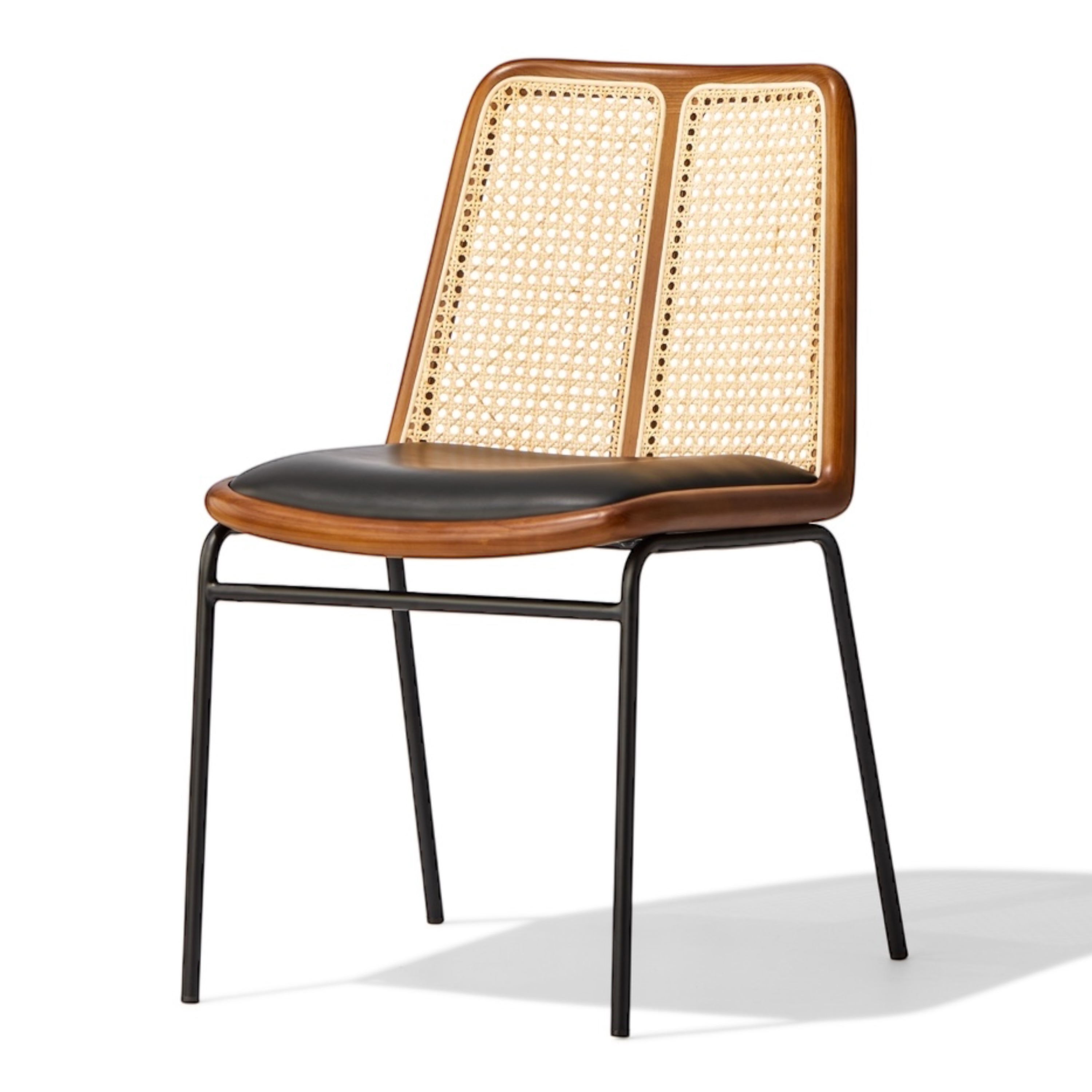
Recommended metal seating: View Metal Restaurant Chairs
2) Maintenance & Cleaning (Real-World Operations)
In US restaurants, chairs must withstand daily cleaning and periodic deep sanitizing. The right material can reduce labor time and improve longevity.
Wood: Finish Quality Matters
- Look for multi-layer protective coatings and scratch-resistant lacquer.
- Choose finishes that resist moisture and cleaning chemicals.
- Wood chairs can be refinished in some cases—helpful for long-term ownership.
Metal: Easy Wipe-Down, Check the Coating
- Metal chairs typically wipe down faster—ideal for high-volume operations.
- Choose durable powder-coat or high-quality finishes that resist chipping.
- For outdoor/patio use, confirm corrosion resistance and suitable coatings.

Finish and material options: Request Chair Finish Options
3) Comfort: What Guests Actually Notice
Guests may not remember the chair model, but they remember comfort. The best commercial seating balances comfort with operational needs: table turnover, spacing, and durability.
- Wood chairs often feel more “solid” and premium, especially with ergonomic shaping.
- Metal chairs can be just as comfortable—especially when paired with upholstered seats or supportive backrests.
- For longer dining times, consider upholstered restaurant chairs for added comfort.

Comfort-focused seating: Shop Upholstered Restaurant Chairs
4) Style & Brand Fit: Match Chairs to Your Concept
Your restaurant chairs set the tone for the dining experience. Here’s a quick match guide:
- Fine dining / steakhouse: wood frames + upholstered seats for a premium feel
- Cafés / bistros: wood or cane-inspired looks for warmth and character
- Fast casual: metal or hybrid chairs for durability and easy reset
- Bars / lounges: metal frames and performance upholstery for high turnover
If you’re planning a refresh, start by reviewing your seating zones: dining room, bar, patio, and waiting areas. A mixed approach (wood in the dining room, metal in high-abuse zones) is common in US restaurant layouts.
5) Total Cost of Ownership (The Budget That Actually Matters)
Instead of comparing only purchase price, compare total cost of ownership over 3–10 years:
- How often chairs need replacement
- Repairability and availability of seat pads or components
- Downtime and labor costs for maintenance
- Warranty and finish performance
For high-traffic venues, buying commercial-grade seating once is usually cheaper than replacing low-grade chairs repeatedly.
Final Recommendation
If your priority is timeless style and a warm guest experience, choose wood restaurant chairs. If your priority is maximum resistance to daily abuse and fast cleaning, choose metal restaurant chairs. Many US operators use both—matching each zone to the right chair type.
At BeSeating, we supply restaurant chairs and commercial seating built for real hospitality environments—helping operators choose seating that lasts, looks right, and performs day after day.
Next step: Browse our full selection of restaurant chairs and request a quote for your project.
FAQ: Wood vs Metal Restaurant Chairs
Are wood restaurant chairs durable enough for high-traffic restaurants?
Yes—commercial-grade hardwood chairs with reinforced joinery and protective finishes can perform for years in high-traffic venues.
Are metal restaurant chairs more durable than wood?
Metal chairs are often more impact resistant, especially in high-turnover spaces. Durability depends on frame thickness, weld quality, and finish.
Which is easier to clean: wood or metal restaurant chairs?
Both can be easy to clean, but metal chairs are usually faster to wipe down. Wood chairs depend heavily on finish quality and sealing.
What’s the best choice for a restaurant remodel?
Many remodels use a mix: wood chairs for the main dining room and metal chairs for high-abuse areas like bar seating or tight sections.



Be Seating 2010 - 2026 All rights reserved ©
Request a quote
CloseName
Phone
Company name
Industry type
Country
Notes
Please enter the result below
I agree with....
Wrong verification code.
All fields are mandatory
Thank you for your message! We will come back to you shortly.