


Cast Iron vs Stainless Steel Table Bases: Which Is Better?
10:03 | Sun | 01 November 2026
Cast Iron vs Stainless Steel Table Bases: Which Is Better?
Updated November 2026 · By the BESeating team — manufacturing commercial seating since 1993
Quick answer: In the cast iron vs stainless steel table bases debate, cast iron wins on weight, stability and value for indoor dining, while stainless steel wins on corrosion resistance, easy cleaning and a modern look for open kitchens, bars and covered patios. Many restaurants use cast iron in the dining room and stainless where moisture is constant.
Comparing cast iron vs stainless steel table bases matters more than most buyers expect. The base decides whether a table wobbles, how easily it is cleaned, whether it rusts and how it looks next to your chairs. This guide compares both materials on the points that matter in commercial use and shows where each one fits best.

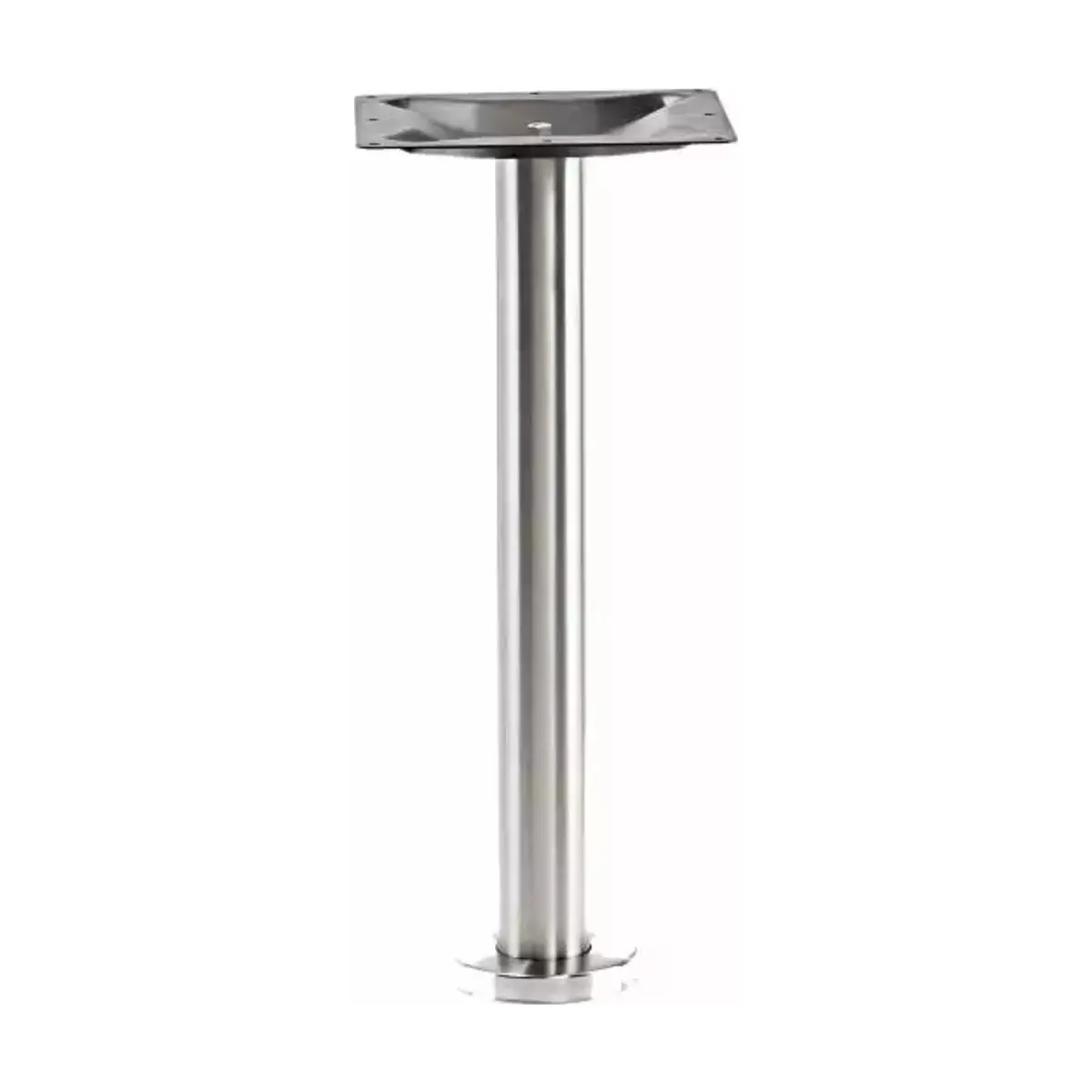
Brushed stainless steel base: View the stainless steel base
Key takeaways
- Cast iron is heavy and stable, which suits large tops and busy indoor dining rooms.
- Stainless steel resists moisture and cleaning chemicals and suits bars, open kitchens and covered patios.
- Size the base footprint to the top; material cannot fix an undersized base.
- Levelers or self-adjusting glides matter as much as the metal itself.
1) What is the main difference between cast iron and stainless steel bases?
Cast iron bases are poured into molds, which produces heavy, dense feet and columns. They are usually powder-coated or painted black or another color. Stainless steel bases are made from formed sheet or tube, often with a brushed finish, and rely on design and footprint for stability rather than raw weight.
| Factor | Cast iron | Stainless steel |
|---|---|---|
| Weight | Heavy | Light to medium |
| Stability | Excellent from mass | Good with wide footprint |
| Corrosion | Needs intact coating | Highly resistant |
| Look | Classic, traditional, industrial | Modern, clean, reflective |
| Cleaning | Easy; avoid scratching coating | Very easy; handles sanitizers |
| Relative cost | Usually lower | Usually higher |
2) Which base is more stable?
Stability comes from three things: weight, footprint and leveling. Cast iron's mass keeps the table planted when guests lean on an edge, which is why it is common under 36 in (91 cm) and larger tops. Stainless steel bases are lighter, so they need a wider foot or a cross design to resist tipping. As a typical guide, a 30 in (76 cm) top needs a footprint of about 22 in (56 cm), and a 36 in (91 cm) top about 22–30 in (56–76 cm).
Best for stability
- Cast iron: large round tops, heavy stone or solid wood tops.
- Stainless steel: standard two-tops and four-tops with matching footprints.
Watch for
- Undersized bases under large tops, regardless of material.
- Uneven floors; add levelers or self-adjusting glides.

Black: View the black metal base
3) Which material resists rust and moisture better?
Stainless steel is the clear winner when water, salt and cleaning chemicals are constant. Cast iron is naturally prone to rust, so it relies on its coating; a chip from a mop bucket or vacuum can start corrosion. For full outdoor exposure, consider aluminum or bases designed specifically for outdoor use, and see our commercial outdoor bases.
4) Which one looks better in a restaurant?
That depends on your concept.
- Cast iron suits bistros, steakhouses, pubs and traditional cafés, especially with wood chairs and dark stains.
- Stainless steel suits contemporary dining, sushi bars, juice bars, open kitchens and bright, minimal rooms.
- Powder-coated colors and gold finishes let either style act as a design accent.
Pair the base with the frame of your chairs or bar stools so the room reads as one design. Our metal restaurant chairs and wood restaurant chairs help you match finishes.

Stainless steel: View the round stainless base
5) How do cleaning and maintenance compare?
Both materials are easy to clean, but they age differently.
| Task | Cast iron | Stainless steel |
|---|---|---|
| Daily wipe | Damp cloth, mild detergent | Damp cloth, mild detergent or sanitizer |
| Scratches | Touch up coating to prevent rust | Brushed finish hides light marks |
| Chemicals | Avoid harsh solvents on paint | Wipe off chlorine and salt residues |
| Glides | Check and replace regularly | Check and replace regularly |
Stainless can still show tea staining near the coast or pools if residues are left on it, so a regular wipe-down matters. For more routines, see our guide to restaurant chair glides, which also applies to base levelers.
6) Which base is better for bars and high tops?
At counter and bar height the base has a longer lever arm, so tipping forces rise. Heavy cast iron feet work well here, or stainless bases with a wide foot and foot ring. Use a footprint at least as large as at dining height, and preferably larger. Our bar stools category shows stools that pair with bar-height bases.
7) Which base is better for outdoor and patio tables?
Stainless steel handles covered patios and splash areas well. In full sun and rain, a dedicated outdoor base, often aluminum or coated steel, is typically lighter to move and resists corrosion. Cast iron is heavy enough to resist wind but needs a durable outdoor coating and inspection after each season.
8) How does weight affect daily operations?
Heavy cast iron bases resist bumps but make rearranging tables for events slower and harder on staff. If you reconfigure the room often, lighter stainless steel or a mix of both can save time. For fixed layouts, the extra weight is an advantage.

Gold conical table base: View the conical base
9) What about cost?
Cast iron is usually the more economical option for standard black bases, while stainless steel costs more because of the material and finishing. Compare cost per year of service rather than unit price: a base that resists corrosion in a wet bar may outlast a cheaper one several times over.
10) How do you choose the right base for each table?
- Start with the top size and shape.
- Choose the height: dining, counter or bar.
- Pick the material for the environment: dry dining room, wet bar or patio.
- Match the finish to chairs and décor.
- Confirm the footprint and add levelers.
Browse standard and contemporary table bases and matching table tops to build a complete table.
Final recommendation
For most indoor dining rooms, cast iron bases give the best stability and value. Choose stainless steel for bars, open kitchens, juice and sushi concepts and covered patios where moisture and sanitizers are constant, or when you want a bright contemporary look. In every case, size the base to the top and level it properly.
Next step: compare our table bases, see restaurant tables and contact our team for help pairing bases with your tops.
FAQ: Cast iron vs stainless steel table bases
Are cast iron table bases better than stainless steel?
Cast iron is better for stability and value indoors because its weight keeps tables steady. Stainless steel is better where moisture, sanitizers and a modern look matter. Neither is better everywhere, so choose by environment: dining room floors favor cast iron, while bars, open kitchens and covered patios often favor stainless steel.
Do cast iron table bases rust?
Cast iron can rust if its powder coat or paint is chipped and moisture reaches the metal. Indoors, with regular cleaning and quick touch-ups, rust is rarely a problem. In wet areas or outdoors, inspect bases often, repair chips promptly and consider stainless steel or dedicated outdoor bases instead.
Is stainless steel a good choice for outdoor table bases?
Stainless steel resists corrosion well and suits covered patios and splash zones. In full outdoor exposure, especially near salt water, it still needs regular cleaning to prevent surface staining. Many operators choose dedicated outdoor bases designed for sun and rain, which are often lighter and easier to move.
What size base do I need for a 36 inch table top?
A 36 in (91 cm) square or round top typically needs a base footprint of about 22–30 in (56–76 cm), or a cross base of similar spread. Heavy tops, bar-height tables and outdoor use call for the larger end of that range. Always add levelers so the table stays steady on uneven floors.
How do I stop a restaurant table from wobbling?
Use a base sized to the top, tighten the column and top plate fixings, and fit adjustable levelers or self-adjusting glides. Check floors for dips and seams, and reposition tables away from uneven spots. Heavier cast iron bases help, but correct footprint and leveling solve most wobble problems.



Be Seating 2010 - 2026 All rights reserved ©
Request a quote
CloseName
Phone
Company name
Industry type
Country
Notes
Please enter the result below
I agree with....
Wrong verification code.
All fields are mandatory
Thank you for your message! We will come back to you shortly.