


Restaurant Chair Glides: How to Choose Them and Protect Your Floors
08:58 | Thu | 29 October 2026
Restaurant Chair Glides: How to Choose Them and Protect Your Floors
Updated October 2026 · By the BESeating team — manufacturing commercial seating since 1993
Quick answer: Restaurant chair glides should match your floor: felt or soft rubber-faced glides for hardwood and LVT, hard nylon or PTFE glides for tile, concrete and carpet. Check them monthly, replace any worn to the stem, and use adjustable glides to fix wobble. Cheap parts, but they protect expensive floors.
Small as they are, restaurant chair glides take more abuse than any other part of a chair. Every seat is dragged in and out dozens of times a day, so the wrong glide can scratch a new hardwood floor in weeks, squeal on tile or leave chairs wobbling. This guide explains which glide to choose for each floor, when to replace them and how they extend the life of both chairs and floors.

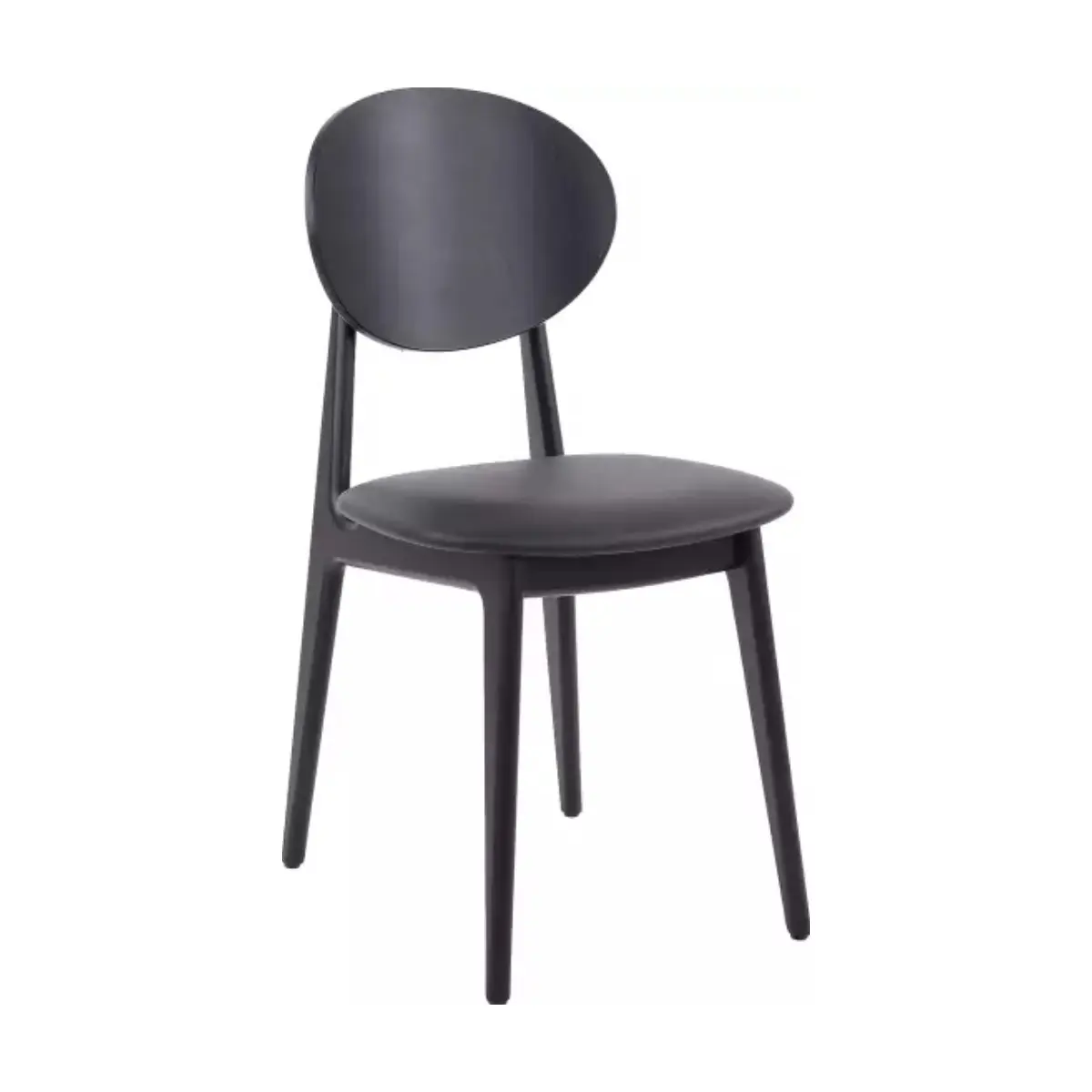
Bernie chair: View the Bernie restaurant chair
Key takeaways
- Choose the glide material by floor type, not by chair type.
- Felt protects hardwood but traps grit; inspect and replace it more often.
- Hard nylon and PTFE glides slide easily on tile, concrete and carpet.
- A monthly glide check prevents scratches, noise and loose joints.
1) What do chair glides actually do?
Glides are the small caps or buttons on the bottom of each leg. They lift the frame slightly off the floor, spread the load, help the chair slide when guests move it and stop bare wood or metal from touching the floor. On a busy restaurant chair they also absorb some of the impact when a chair is dropped or tipped back.
Without a good glide, a solid wood leg will splinter at the end grain and a metal leg will gouge floors. A worn glide also changes the chair's height on one leg, which causes rocking that loosens joints over time.
2) Which glide material is best for each type of floor?
| Floor type | Recommended glide | Avoid |
|---|---|---|
| --- | --- | --- |
| Hardwood / engineered wood | Felt or soft rubber-faced glides | Bare metal, hard nylon with grit |
| LVT / vinyl plank | Felt, soft rubber or PTFE with a smooth edge | Narrow metal glides |
| Ceramic or porcelain tile | Hard nylon or PTFE | Felt (wears fast on grout lines) |
| Polished concrete | Hard nylon or PTFE | Bare steel |
| Carpet | PTFE or steel-based glides | Felt, soft rubber |
| Outdoor patio | Nylon or polymer glides that drain | Felt |
Felt — best for
- Hardwood and quieter dining rooms
- Restaurants with daily sweeping routines
Felt — watch for
- Grit embedded in felt acts like sandpaper
- Wears quickly on tile grout and outdoors
Hard nylon and PTFE — best for
- Tile, concrete and carpet
- High-turnover cafés and quick-service rooms
3) What glide styles are there?
The fixing method matters as much as the material. Nail-in glides suit solid wood legs. Screw-in and threaded glides are easier to replace and can be adjustable. Insert glides plug into tubular metal legs, while clamp-on and sled-base glides fit metal frames and cantilever chairs.
Adjustable (leveling) glides have a threaded stem so you can fine-tune each leg and remove wobble on uneven floors. Swivel glides tilt to keep full contact with the floor when a chair leans back, which reduces edge wear on both the glide and the floor.

BF-004 metal chair: View the BF-004 metal chair
4) How do glides differ on wood chairs and metal chairs?
Wood chairs usually take nail-in or screw-in glides centered on the leg. Because beech and oak legs are strong but the end grain can split, a quality glide with a wide base is important. Metal chairs often use inserts or caps sized to the tube; a loose insert lets the bare tube hit the floor, which is the fastest way to scratch it.
If you are still choosing a frame, our restaurant chairs range and the guide to what makes furniture commercial grade explain how frame material affects maintenance.
5) How do glides prevent scratches on hardwood floors?
Most floor scratches are not caused by the glide itself but by grit trapped under it. Sweeping before chairs are moved, keeping entry mats clean and replacing dirty felt pads will prevent most damage. A wider glide also spreads the load, reducing dents on softer wood species.
Avoid stacking chairs directly on a hardwood floor without pads; stack on a mat or a dolly. When chairs are set on tables for mopping, lift them rather than dragging.
6) How often should restaurant chair glides be replaced?
| Usage level | Inspection | Typical replacement |
|---|---|---|
| --- | --- | --- |
| Quiet fine dining | Every 1–2 months | When worn or flattened |
| Busy casual dining | Monthly | Often several times a year for felt |
| Quick-service / café | Every 2–4 weeks | When worn to the stem |
| Outdoor patio | Start of season, then monthly | Each season or as needed |
Replace a glide when you see the metal stem, cracked plastic, a flattened felt pad or a missing glide. Keep a box of spares of the exact size so staff can fix chairs on the spot.
7) How do you fix a wobbly restaurant chair?
First check the glides: a worn or missing glide is the most common cause of wobble. Replace it with one of the same height, or install adjustable glides and level the chair on a flat surface. If the wobble remains, check for loose joints, which should be tightened or repaired before they fail. Our guide to when to replace restaurant chairs explains when a repair still makes sense.
8) Do bar stools and outdoor chairs need different glides?
Bar stools carry more leverage because guests lean and push off the footrest, so use durable nylon or PTFE glides with a wide base, or swivel glides. Outdoor chairs need glides that don't absorb water, resist UV and let water drain away from the leg. Avoid felt outdoors entirely.

Ellen bar stool: View the Ellen bar stool

Outdoor aluminum chair: View the outdoor stackable aluminum chair
9) How do glides affect noise in a dining room?
Hard glides on tile or concrete can scrape loudly every time a chair moves, which adds to the noise level in an already busy room. Felt and soft rubber faces are quieter on hard floors, and PTFE glides slide with less scraping. In open-kitchen restaurants with hard surfaces, quieter glides are an easy acoustic upgrade.
10) What should you ask your furniture supplier about glides?
Ask which glide type the chair ships with, whether it is replaceable without tools, which alternatives fit the leg and whether spares are available. Tell your supplier what floor you have before ordering so the chair arrives ready for your room. Combined with the cleaning routines in our chair cleaning guide, good glides keep chairs looking new for years.
Final recommendation
Pick restaurant chair glides by floor: felt or soft rubber for hardwood and LVT, hard nylon or PTFE for tile, concrete and carpet. Inspect them monthly, keep spares and use adjustable glides to cure wobble. It is the cheapest maintenance step that protects both floors and chairs.
Next step: browse our wood chairs, metal chairs and bar stools, read about our quality testing, or contact us and tell us your floor type.
FAQ: Restaurant chair glides
Are felt glides good for restaurants?
Felt glides are excellent on hardwood and LVT because they are soft and quiet. In restaurants, they wear and collect grit faster than at home, so they need regular inspection and replacement. Avoid felt on tile with deep grout lines, on carpet and outdoors, where it wears out quickly.
What glides should I use on tile floors?
Use hard nylon or PTFE glides on ceramic and porcelain tile. They slide smoothly over grout lines, resist wear and don't trap grit the way felt does. Choose a glide with a rounded edge so it does not catch on uneven tiles, and check monthly for wear in busy dining rooms.
How do I know when a chair glide needs replacing?
Replace a glide when the metal stem or nail shows, the base is cracked, the felt is flattened or dirty, or the chair rocks. Turn a few chairs over each month to check. A worn glide quickly turns into floor scratches, noise and loosened joints in the chair frame.
Can glides stop a restaurant chair from wobbling?
Often, yes. Most wobble comes from a worn, missing or mismatched glide, or from an uneven floor. Replacing the glide or fitting adjustable leveling glides usually solves it. If the chair still rocks on a flat surface, check the joints, because loose joints need repair rather than new glides.
Do metal chairs scratch floors more than wood chairs?
Not if the glides are correct. A metal leg with a missing or loose insert will scratch quickly, while a wood leg without a glide can splinter and mark the floor. With well-fitted glides matched to the floor type, both wood and metal chairs are floor-safe in commercial use.



Be Seating 2010 - 2026 All rights reserved ©
Request a quote
CloseName
Phone
Company name
Industry type
Country
Notes
Please enter the result below
I agree with....
Wrong verification code.
All fields are mandatory
Thank you for your message! We will come back to you shortly.