


When to Replace Restaurant Chairs: Repair, Reupholster or Replace?
10:41 | Wed | 28 October 2026
When to Replace Restaurant Chairs: Repair, Reupholster or Replace?
Updated October 2026 · By the BESeating team — manufacturing commercial seating since 1993
Quick answer
You should know when to replace restaurant chairs by three signs: frames or joints that loosen again soon after repair, cracked or split wood or welds, and repair costs approaching half the price of a new chair. Reupholster when only the seat cover is worn; replace when the structure is failing.
Knowing when to replace restaurant chairs protects guests, staff and your budget. Chairs rarely fail all at once: joints loosen, seats wear and finishes dull over months. This guide explains typical lifespans, the warning signs to watch for and how to decide between repairing, reupholstering and replacing.

Restaurant interior with Bernie chairs: View the installation
Key takeaways
- Well-made commercial chairs often last many years, but busy dining rooms shorten that timeline.
- Loose joints that keep coming back, cracks in frames and broken welds mean replacement, not repair.
- Worn seat covers alone can usually be fixed by reupholstering or replacing seat pads.
- Replace in phases or by zone, and order samples so new chairs match the room.
1) How long do restaurant chairs usually last?
There is no single number, because lifespan depends on construction, traffic and care. As a general industry guide, well-built commercial chairs in a busy restaurant typically serve for several years, and good solid wood or metal frames can last much longer with regular maintenance. Residential-grade chairs used in a commercial setting often fail far sooner.
| Factor | Shortens lifespan | Extends lifespan |
|---|---|---|
| Construction | Residential chairs, glued-only joints | Commercial-grade frames, reinforced joints |
| Traffic | Multiple turns per day, late-night service | Moderate covers, careful staff handling |
| Guest behavior | Tipping back on two legs | Clear chair handling during cleaning |
| Care | No maintenance schedule | Monthly checks and quick repairs |
| Floors | Missing glides on concrete or tile | Glides replaced as soon as they wear |
If you are unsure what makes a chair commercial-grade, see what is commercial grade furniture.
2) What are the signs a chair needs repair?
- A slight wobble that disappears after tightening or regluing.
- Missing or worn floor glides.
- Small scratches or dull spots in the finish.
- A loose seat that is attached with screws and can be re-secured.
- Minor tears or stains in upholstery that are limited to the seat cover.
These issues are normal wear. Fixing them early keeps small problems from becoming structural damage, and it is far cheaper than replacing a dining room.
3) What are the signs a chair should be replaced?
- Joints that loosen again within weeks of being repaired.
- Cracked or split legs, stretchers or back posts.
- Broken or cracked welds on metal frames.
- A frame that is visibly out of square or rocks on a level floor.
- Foam that has collapsed and upholstery that is torn through to the frame.
- Repair costs approaching about half the price of a new chair.
A chair with structural damage is a safety risk. If a guest falls, the cost is far greater than a new chair, and so is the impact on your reputation.

Bernie solid wood restaurant chair: View the Bernie chair
4) Should you repair, reupholster or replace?
Use this table to match the problem with the right fix.
| Problem | Best action | Why |
|---|---|---|
| Slight wobble, first time | Repair | Tightening or regluing usually solves it |
| Wobble returns repeatedly | Replace | Joints are worn beyond reliable repair |
| Worn or stained seat cover | Reupholster | The frame is still sound |
| Collapsed foam and torn cover | Reupholster or replace seat pad | Restores comfort at lower cost |
| Cracked frame or broken weld | Replace | Structural safety issue |
| Dated look, sound frames | Refinish or replace | Depends on budget and concept change |
5) What causes wobbly restaurant chairs?
Most wobble starts at the joints between legs, stretchers and seat. Daily dragging, tipping back and stacking put stress on those joints. Wood also moves slightly with humidity, which is why a chair can loosen after a hot summer or a dry winter. Floor glides that wear unevenly can also make a sound chair rock.
Watch for
- Chairs that creak when someone sits down.
- Gaps visible where legs meet the seat rail.
- Chairs pulled out of service and repaired repeatedly.
A regular routine helps: see how to clean and maintain restaurant chairs for daily, weekly and yearly checks.
6) When is reupholstering the smarter choice?
If the frame is solid and only the seat or back cover is worn, reupholstering is usually the most cost-effective choice. Many commercial chairs have removable seat pads, which makes the job faster. Use the opportunity to upgrade to a more durable commercial vinyl or fabric, or to refresh the color scheme. Our vinyl vs fabric upholstery guide explains which lasts longer.
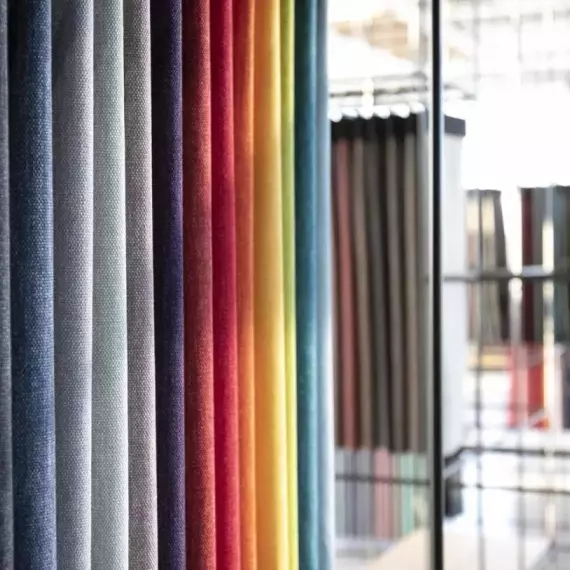
Arizona vinyls: View Arizona vinyls
7) What does keeping worn chairs really cost?
Old chairs have hidden costs. Staff time is spent tightening, regluing and swapping chairs between tables. Guests notice wobbly or stained seating and associate it with the quality of the food and service. Reviews and photos on social media make worn furniture visible to future customers. And a chair that breaks under a guest is a safety and liability concern you want to avoid.
8) Should you replace all chairs at once or in phases?
Replacing the whole dining room at once gives a consistent look and a clear marketing moment, such as a reopening or refresh. Phased replacement spreads the cost and keeps the restaurant open. Both work if planned well.
Best for
- All at once: concept changes, renovations, multi-location rollouts.
- By zone: the bar, the patio or one dining room at a time.
- By condition: replacing the most damaged chairs first while matching the existing model and finish.
Restaurant groups planning several sites can use our multi-location furniture guide.
9) How do you match new chairs to existing ones?
When you replace only some chairs, matching matters. Ask for the same model if it is still available and use custom stain matching so new wood chairs blend with the old. Request finish samples and upholstery swatches and compare them in your dining room lighting, not only under showroom lights. See our wood stains and samples service.

Wood finishes: View wood stains
10) How do you choose replacement chairs that last longer?
- Choose commercial-grade frames with reinforced joints.
- Prefer solid hardwood such as beech or oak for wood chairs.
- Pick finishes and upholstery made for commercial cleaning.
- Check that the supplier tests its products; read about our quality testing.
- Order a sample chair and use it in service for a few days before committing.
11) What should you do with the old chairs?
Sound chairs can be moved to staff areas, private rooms or a secondary location. Some restaurants sell or donate chairs that are still safe. Chairs with structural damage should be taken out of service completely so they are not used again by mistake.
Final recommendation
Repair chairs early when problems are minor, reupholster when only the covers are worn, and replace chairs when frames crack, welds fail or joints keep loosening. Plan replacement by zone or all at once, and choose commercial-grade chairs with matching stains and upholstery so the dining room looks consistent.
Next step: browse our restaurant chairs and wood chairs, request samples or contact us for help matching replacement chairs.
FAQ: When to replace restaurant chairs
How often should restaurant chairs be replaced?
There is no fixed schedule. Replace chairs when they show structural damage, when joints keep loosening after repair or when repair costs approach about half the price of a new chair. Well-built commercial chairs with regular maintenance often serve for many years, while residential-grade chairs fail much sooner in restaurants.
Is it worth repairing wobbly restaurant chairs?
Yes, the first time. Tightening hardware, regluing joints and replacing glides often fixes a wobble. If the same chair loosens again within weeks, the joints are worn and replacement is usually the safer and cheaper option over time. Track repairs so you can see which chairs keep coming back.
Can you reupholster commercial restaurant chairs?
Yes. If the frame is solid, reupholstering the seat and back is often the most cost-effective refresh. Many commercial chairs have removable seat pads. Choose a commercial-grade vinyl or fabric designed for frequent cleaning, and request swatches first so the new color works with your tables and walls.
How do I match new chairs with my existing ones?
Start with the same model if it is still available, then match the wood stain and upholstery. Ask for stain samples and swatches and compare them in your own dining room lighting. Custom stain matching helps new wood chairs blend with older ones, and placing them by zone hides small differences.
What is the biggest risk of keeping damaged chairs?
Guest safety. A chair with a cracked leg or broken weld can fail suddenly, causing injury and liability concerns. Damaged chairs also affect how guests perceive your restaurant. Remove structurally damaged chairs from service immediately and plan replacements before busy seasons rather than during them.




Be Seating 2010 - 2026 All rights reserved ©
Request a quote
CloseName
Phone
Company name
Industry type
Country
Notes
Please enter the result below
I agree with....
Wrong verification code.
All fields are mandatory
Thank you for your message! We will come back to you shortly.