


How to Choose a Restaurant Furniture Supplier: 12 Questions to Ask
10:02 | Sun | 01 November 2026
How to Choose a Restaurant Furniture Supplier: 12 Questions to Ask
Updated November 2026 · By the BESeating team — manufacturing commercial seating since 1993
Quick answer: The best restaurant furniture supplier is the one that can prove commercial build quality, offers samples of frames and fabrics, tests its products, matches custom finishes, explains realistic lead times in writing and supports reorders for years. Compare suppliers on construction, testing, customization and service, not only on the unit price.
Picking a restaurant furniture supplier is a decision you live with every service. Chairs, bar stools, booths and tables take more abuse than almost any other asset in the building, and a weak supplier shows up as wobbly joints, mismatched reorders and long waits. These 12 questions help you compare manufacturers, importers and dealers on the things that matter.

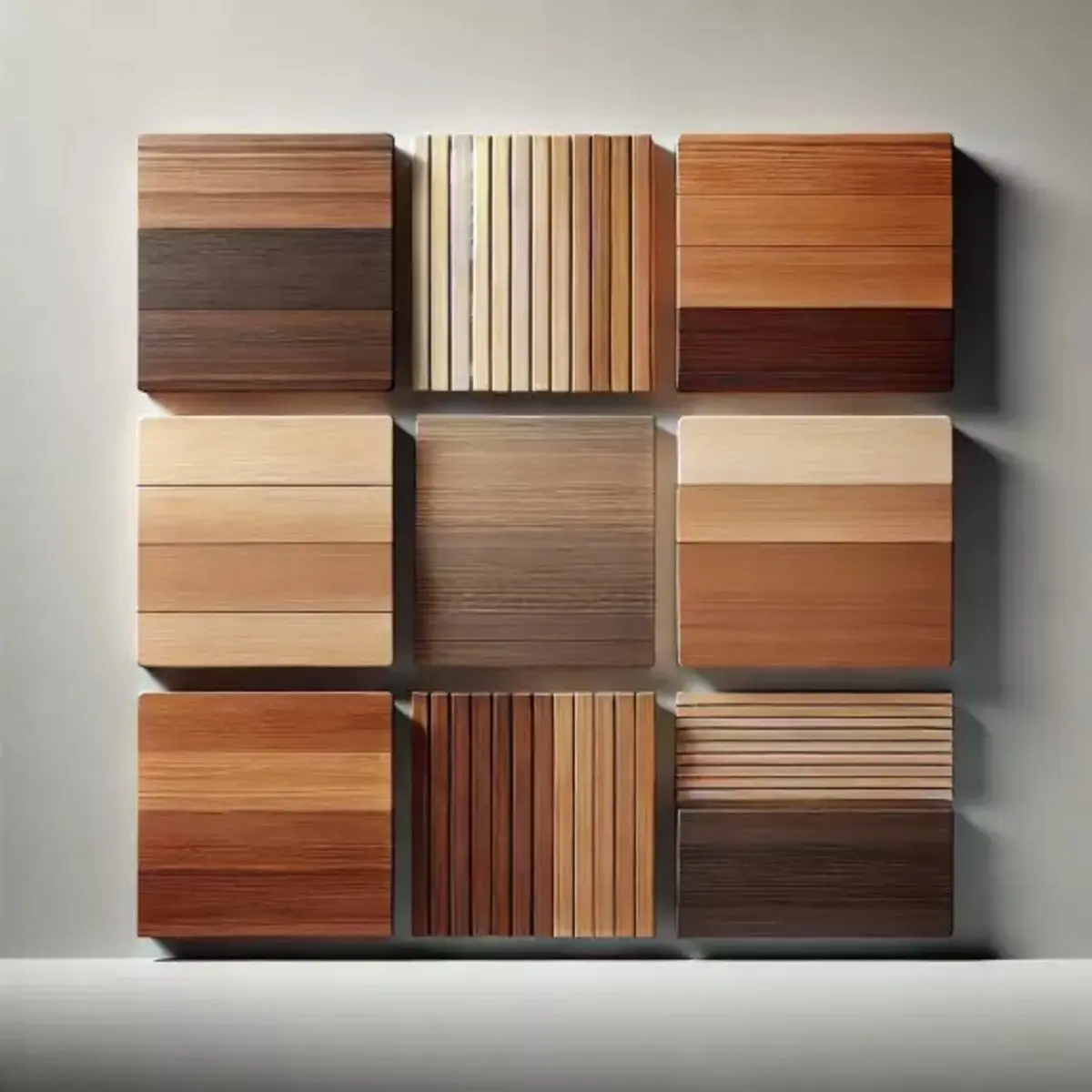
Wood stains: View wood stain options
Key takeaways
- Ask who actually makes the furniture and where; manufacturers control quality and reorders better than resellers.
- Test samples in your own room before signing off on a large order.
- Get finishes, fabrics, quantities and delivery terms confirmed in writing.
- Choose a supplier who can repeat the same chair years later for new locations.
1) Is the company a manufacturer, an importer or a dealer?
Each model can work, but they behave differently when something goes wrong.
| Supplier type | Strengths | Watch for |
|---|---|---|
| Manufacturer | Controls materials, joinery, finishes and reorders | Minimums on custom work |
| Importer / wholesaler | Wide catalog, often stock items | Less control over production changes |
| Dealer / design firm | Sources many brands, handles project management | Added layer between you and the factory |
Ask directly where frames are produced and who handles warranty issues. BESeating's wood chairs are manufactured in Europe from carefully selected beech and oak, with production roots going back to 1993 — you can read more on our history page.
2) Is the furniture truly commercial grade?
Residential chairs often look identical in photos but fail quickly in restaurants. Ask about the frame material, how joints are made (glued and doweled, mortise and tenon, corner blocks, welded steel), the thickness of metal tubing and whether seat foam is rated for commercial use. Our restaurant chair categories show commercial construction across wood and metal frames.
Strengths of a good answer
- Specific materials named: beech, oak, steel, aluminum.
- Joinery and reinforcement explained, not just "sturdy".
- Commercial vinyls and fabrics with abrasion ratings.
Watch for
- Vague descriptions such as "hardwood" with no species.
- Knock-down chairs that rely on bolts alone for strength.
3) How does the supplier test quality?
Ask how every chair, bar stool, table and booth is checked before it ships. A credible supplier can explain load, stability and joint testing and how defects are caught at the factory. At BESeating every product goes through a quality testing process before dispatch.

Sean chair installation: View the Sean installation
4) Can you get samples before you order?
Never commit to a full room from photos. A serious supplier sends a sample chair and swatches of the exact vinyl, fabric and wood stain. Sit on it for a full meal, drag it across your floor, clean it with your own products. BESeating offers samples for all products, including fabric and vinyl swatches.
5) How much customization is possible?
Restaurants rarely want a catalog color. Ask whether the supplier can match a stain to your millwork, offer a wide range of commercial vinyls and fabrics, change seat types (wood, upholstered, cane) and adjust booth lengths. Find out which changes affect price and timing so there are no surprises.
| Option | Typical flexibility | Questions to ask |
|---|---|---|
| Wood stain | High at manufacturers | Can you match a sample I send? |
| Upholstery | High | Customer's own material (COM) accepted? |
| Booth sizes | High for made-to-order | Custom lengths and corner units? |
| Frame shape | Low to medium | Minimum quantity for changes? |
6) Are lead times and delivery terms clear?
Lead times vary with season, finish and quantity, so ask for a written estimate for your order rather than a general promise. Confirm who books freight, whether delivery is curbside or inside, and how damage is reported. Most BESeating restaurant chairs arrive fully assembled, which saves time on site. Our restaurant furniture delivery guide covers receiving and inspection.
7) Can the supplier handle multi-location rollouts?
If you plan a second or tenth location, ask whether the supplier keeps finish and fabric records, can reproduce the same chair years later and can split deliveries by site. Production that supports both independent restaurants and multi-location rollouts reduces risk as you grow.

Pandora chair installation: View the Pandora installation
8) Does the supplier cover your whole seating plan?
Buying chairs, bar stools, booths, table tops and bases from one source keeps finishes consistent and simplifies coordination. Check the depth of each category: restaurant chairs, bar stools, booths, tables and outdoor furniture.
9) What does the quote include?
Compare quotes line by line. A clear quote lists model, finish, fabric, quantity, unit price, freight, packaging and any customization charges. Missing items are where budgets slip. Our restaurant furniture quote checklist shows exactly what to send and what to ask for.
10) What happens after delivery?
Ask how the supplier handles a damaged chair, a loose joint after six months or a request for spare glides and replacement seats. Find out whether replacement parts can be ordered individually and how quickly someone responds. Good after-sales support is cheaper than replacing a whole set.

CAFFE bentwood chair: View the CAFFE chair
11) Can the supplier show real installations?
Photos of real restaurants show how the furniture looks after use and in real light. Ask for installation photos in concepts similar to yours and, where possible, visit a local venue. Browse our restaurant installations to see BESeating seating in working dining rooms.
12) How do you compare total cost, not just price?
A chair that is cheaper today but needs replacing in three years costs more than a durable chair that lasts eight or more. Weigh build quality, reupholstery options, spare parts and reorder consistency alongside the unit price.
| Criterion | Weight for most restaurants |
|---|---|
| Construction and testing | High |
| Samples and finish match | High |
| Reorder consistency | High for groups |
| Unit price | Medium |
| Lead time | Medium; plan ahead |
Final recommendation
Shortlist two or three suppliers, ask all 12 questions in writing, order samples from each and test them in your own space. Choose the supplier that answers specifically about materials, testing and reorders and that confirms everything on paper. That is the supplier you will still be happy with at your next location.
Next step: request samples, review our tested quality process and contact the BESeating team with your project details.
FAQ: Restaurant furniture supplier
Should I buy restaurant furniture from a manufacturer or a dealer?
A manufacturer usually offers more control over materials, custom finishes and reorders, and fewer layers when problems arise. A dealer or designer adds value when you need many brands coordinated and project management on site. Many operators buy core seating from a manufacturer and use a designer for overall interior decisions.
How many quotes should I get for restaurant furniture?
Two or three detailed quotes are usually enough. More than that makes it hard to compare like with like. Send each supplier the same item list, finishes, quantities and delivery address, then compare construction, samples, freight and after-sales terms alongside the unit price so you see the true total cost.
What questions should I ask a restaurant furniture supplier?
Ask who makes the furniture and where, what materials and joinery are used, how products are tested, whether samples and swatches are available, what customization is possible, how delivery works and how reorders are handled years later. Ask for answers in writing so they can be compared across suppliers.
How do I know if restaurant chairs are commercial grade?
Look for named hardwoods or steel, reinforced joints, commercial foam and upholstery rated for heavy use, and a supplier that describes its testing. Sit on a sample, rock it, drag it and check it after a few weeks of use. Residential chairs often lack corner blocks, glue joints or proper glides.
Can a supplier match my existing restaurant chairs?
Often yes, especially a manufacturer with custom stain matching and a broad upholstery range. Send a photo, a finish sample or the original chair if possible. The supplier can propose the closest model and finish, then send a sample so you confirm the match before production starts.



Be Seating 2010 - 2026 All rights reserved ©
Request a quote
CloseName
Phone
Company name
Industry type
Country
Notes
Please enter the result below
I agree with....
Wrong verification code.
All fields are mandatory
Thank you for your message! We will come back to you shortly.