


Restaurant Furniture Delivery: How to Receive, Inspect and Set Up
09:01 | Sat | 31 October 2026
Restaurant Furniture Delivery: How to Receive, Inspect and Set Up
Updated October 2026 · By the BESeating team — manufacturing commercial seating since 1993
Quick answer: A smooth restaurant furniture delivery depends on three things: booking the right freight service (dock, liftgate or inside delivery), counting and inspecting every carton before you sign the bill of lading, and noting any damage in writing on the spot. Plan staff, space and tools for unpacking and setup before the truck arrives.
Your chairs, tables and booths are often the last big item before opening, so a delayed or damaged shipment can push back your soft launch. This guide walks through restaurant furniture delivery step by step: what to arrange with the freight carrier, how to receive and inspect, and how to set everything up quickly.

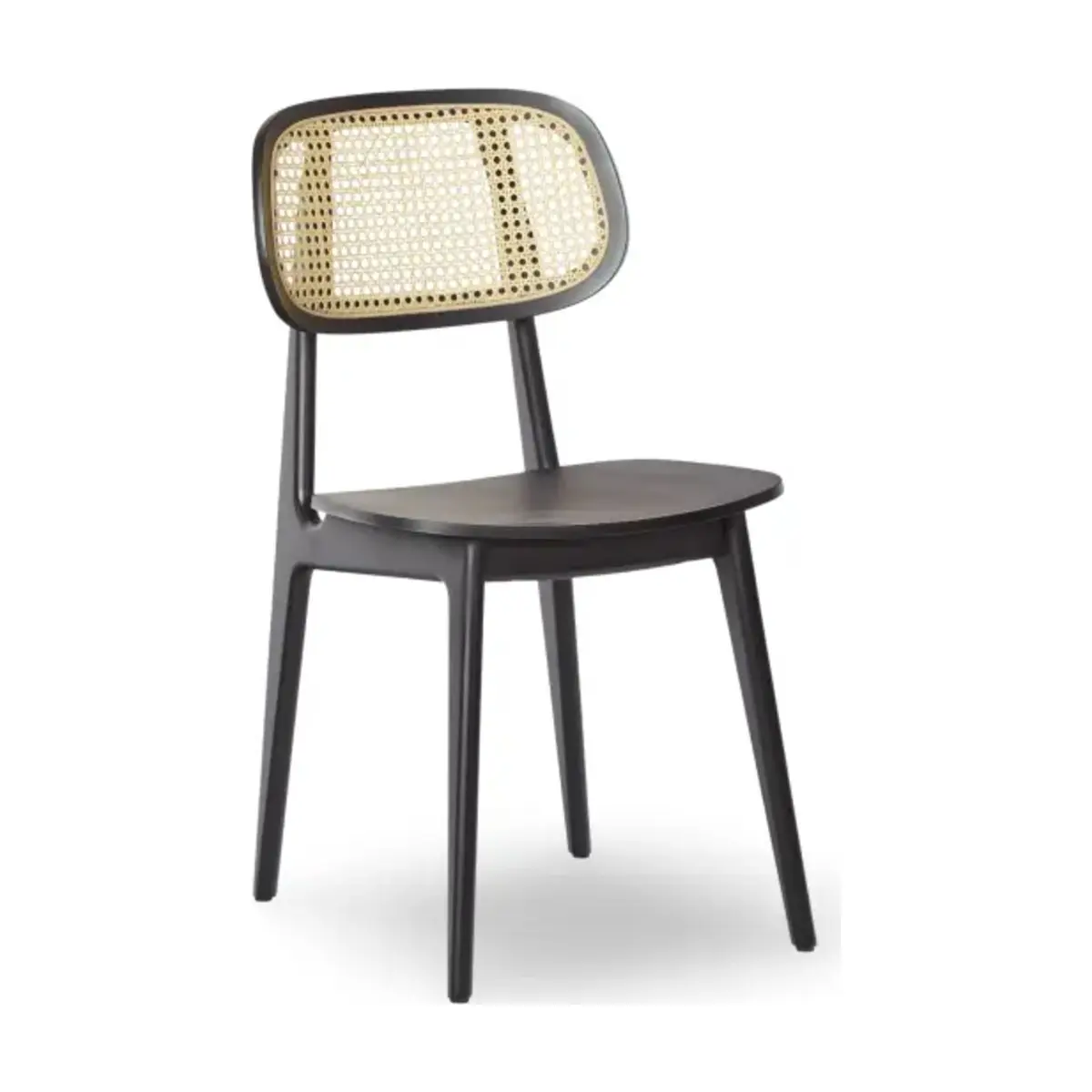
CAFFE bentwood restaurant chair: View the CAFFE chair
Key takeaways
- Tell the seller exactly how your site receives freight: loading dock, liftgate, inside delivery, stairs or narrow doors.
- Count pallets and cartons against the bill of lading and note any visible damage before signing.
- Photograph damage, keep packaging and report concealed damage quickly; carrier windows are often short.
- Most restaurant chairs arrive fully assembled; tables usually need tops attached to bases on site.
1) How is commercial restaurant furniture usually shipped?
Most commercial furniture travels by LTL (less-than-truckload) freight on pallets, or by a full truck for large openings and multi-location rollouts. Chairs are typically boxed in cartons of two or four, stacked on standard pallets of about 40 × 48 in (102 × 122 cm). Booths and long table tops may ship on custom crates.
| Service | What it means | Best for |
|---|---|---|
| Dock delivery | Truck backs up to your loading dock; you unload | Hotels, food halls, larger sites |
| Liftgate | Hydraulic platform lowers pallets to the curb | Street-level restaurants without a dock |
| Inside delivery | Driver brings freight past the first door | Small teams, heavy booths |
| White glove | Unpacking, placement and debris removal | Tight schedules, fine dining openings |
2) What should you tell the seller before shipping?
Accessorial services such as liftgate or inside delivery must usually be booked in advance; adding them on the day can cause a missed delivery or extra charges. Share these details when you confirm the order:
- Full delivery address, business hours and the name and mobile number of the receiving contact.
- Whether you have a loading dock, and the truck length the street or lot can handle.
- Stairs, elevators, door widths and any mall or building delivery rules.
- Whether the site is still under construction, with dust, floor coating or other trades on site.
Booths deserve extra care: measure doorways and corridors against booth length and height. Our restaurant booth dimensions guide lists typical sizes to check.
3) How do you prepare the site for delivery day?
- Clear a staging area large enough for every pallet, ideally in the dining room itself.
- Protect finished floors with cardboard or floor protection boards.
- Have box cutters, a pallet jack or dolly, gloves, trash bags and a cordless drill ready.
- Schedule at least two people for unloading and two to four for unpacking.
- Print the packing list and floor plan with the position of every table and booth.
4) How should you inspect the shipment before signing?
The moment you sign the bill of lading (BOL) clean, you are telling the carrier the freight arrived in good condition. Take five minutes to check before signing.
Receiving checklist
- Count pallets and cartons and compare them with the BOL and packing list.
- Walk around each pallet looking for crushed corners, punctures, wet cartons or forklift damage.
- Open any carton that looks damaged in front of the driver.
- Write specific notes on the BOL, such as "2 cartons crushed, 1 chair leg broken", rather than only "subject to inspection".
- Photograph pallets, labels and damage before the truck leaves.

Sean restaurant chair installation: View the Sean chair installation
5) What if you find damage after the driver leaves?
Concealed damage, found only after unpacking, is common with furniture. Report it to the seller the same day with photos of the item, the carton and the label. Keep the original packaging, because carriers may want to inspect it. Many carriers set short windows for concealed damage reports, often just a few days, so do not leave unpacking until the week of opening.
| Situation | What to do |
|---|---|
| Visible damage at delivery | Note it on the BOL, photograph, inform the seller |
| Missing cartons | Note the short count on the BOL before signing |
| Concealed damage | Report with photos right away; keep packaging |
| Wrong finish or fabric | Compare with your approved samples and contact the seller |
6) How do you check finish and upholstery against your order?
Pull out your approved wood finish and vinyl or fabric samples and compare them with the delivered chairs in daylight and under your dining room lighting. Natural wood varies slightly from batch to batch, which is normal, but the overall color and sheen should match the approved sample. If you have not approved samples yet for a future order, request restaurant furniture samples and view our wood stains.

Wood stain options: View wood stains
7) What assembly is needed on site?
Most BESeating restaurant chairs arrive fully assembled, so setup is mainly unpacking and placing. Tables usually ship as separate tops and bases. Attaching a top takes a few minutes with a drill: center the base, mark holes, pre-drill if needed and use screws that are shorter than the top thickness. Level each table using its adjustable glides. Booths are set in position and, for wall units, often secured to the wall for stability.
Watch for
- Over-long screws that break through the table top surface.
- Bases not centered, which makes tables rock or tip.
- Missing glides on chairs, which can scratch new floors. See restaurant chair glides.
8) How do you stage furniture before the opening?
Place furniture following your floor plan, then walk the room as a guest and a server. Check aisle widths with chairs pushed back, sight lines and the position of power outlets and heaters. Our restaurant seating layout guide explains typical spacing. Store a few spare chairs and keep touch-up markers and spare glides on hand.

Double booth with wood box base: View the double booth
9) How do you handle packaging waste?
A 100-seat restaurant can generate a large volume of cartons, foam and pallets. Arrange recycling pickup or a dumpster in advance and flatten cardboard as you go. Keep a few cartons for returns or claims until everything has been inspected.
10) How should multi-location deliveries be organized?
For rollouts, label every pallet with the site name, keep a separate packing list per location and stagger deliveries to match each opening date. A single contact per site who knows the receiving checklist avoids repeated problems. Our checklist on how to get an accurate restaurant furniture quote helps you collect site details upfront.
Final recommendation
Treat restaurant furniture delivery as part of your opening plan: book the right freight service, prepare the space, inspect and count before signing, and report any damage fast with photos. With chairs arriving assembled and a clear floor plan, a small team can unpack and set a full dining room in a day.
Next step: explore restaurant chairs, tables and booths, learn about our tested quality, or contact BESeating to plan your shipment.
FAQ: Restaurant furniture delivery
Do I need a liftgate for restaurant furniture?
If your restaurant has no loading dock, you usually need liftgate service so pallets can be lowered to the ground. It must normally be booked in advance with the freight carrier. Without it, the driver may be unable to unload, which can mean a failed delivery and a new appointment.
Should I sign the delivery receipt if a box is damaged?
You can sign, but write specific notes about the damage and the number of affected cartons on the bill of lading first, and take photos before the driver leaves. A clean signature makes claims much harder, because it confirms the freight arrived in good condition.
What is concealed damage?
Concealed damage is damage found after unpacking that was not visible on the outside of the carton. Report it to the seller right away with photos of the item, packaging and label, and keep the packaging. Carriers often set short reporting windows, so unpack and inspect promptly.
Do restaurant chairs come assembled?
Most BESeating restaurant chairs arrive fully assembled, so you only need to unpack and place them. Tables usually ship as separate tops and bases that you attach on site, and booths are set in place and often secured to the wall. Have a drill and basic tools ready.
How many people do I need on delivery day?
For a typical 80–120 seat restaurant, plan at least two people to unload and check freight and two to four to unpack, assemble tables and place furniture. Clear a staging area, protect floors and keep the floor plan and packing list on hand to speed up setup.



Be Seating 2010 - 2026 All rights reserved ©
Request a quote
CloseName
Phone
Company name
Industry type
Country
Notes
Please enter the result below
I agree with....
Wrong verification code.
All fields are mandatory
Thank you for your message! We will come back to you shortly.