


Solid Wood vs Plywood Restaurant Chairs: Which Lasts Longer?
09:01 | Tue | 03 November 2026
Solid Wood vs Plywood Restaurant Chairs: Which Lasts Longer?
Updated November 2026 · By the BESeating team — manufacturing commercial seating since 1993
Quick answer: In the solid wood vs plywood chairs debate, the strongest restaurant chairs usually combine both: a solid hardwood frame (beech or oak) for legs and joints, plus molded plywood for curved seats and backs. Solid wood wins on repairability and joint strength; plywood wins on shaped comfort, light weight and resistance to splitting.
When you compare wood restaurant chairs, product descriptions mention solid beech, molded veneer, plywood seats and bentwood. Understanding solid wood vs plywood chairs helps you judge durability, comfort and value before you order dozens or hundreds of chairs. Here is how each material is made, where it performs best and what to check on a sample.

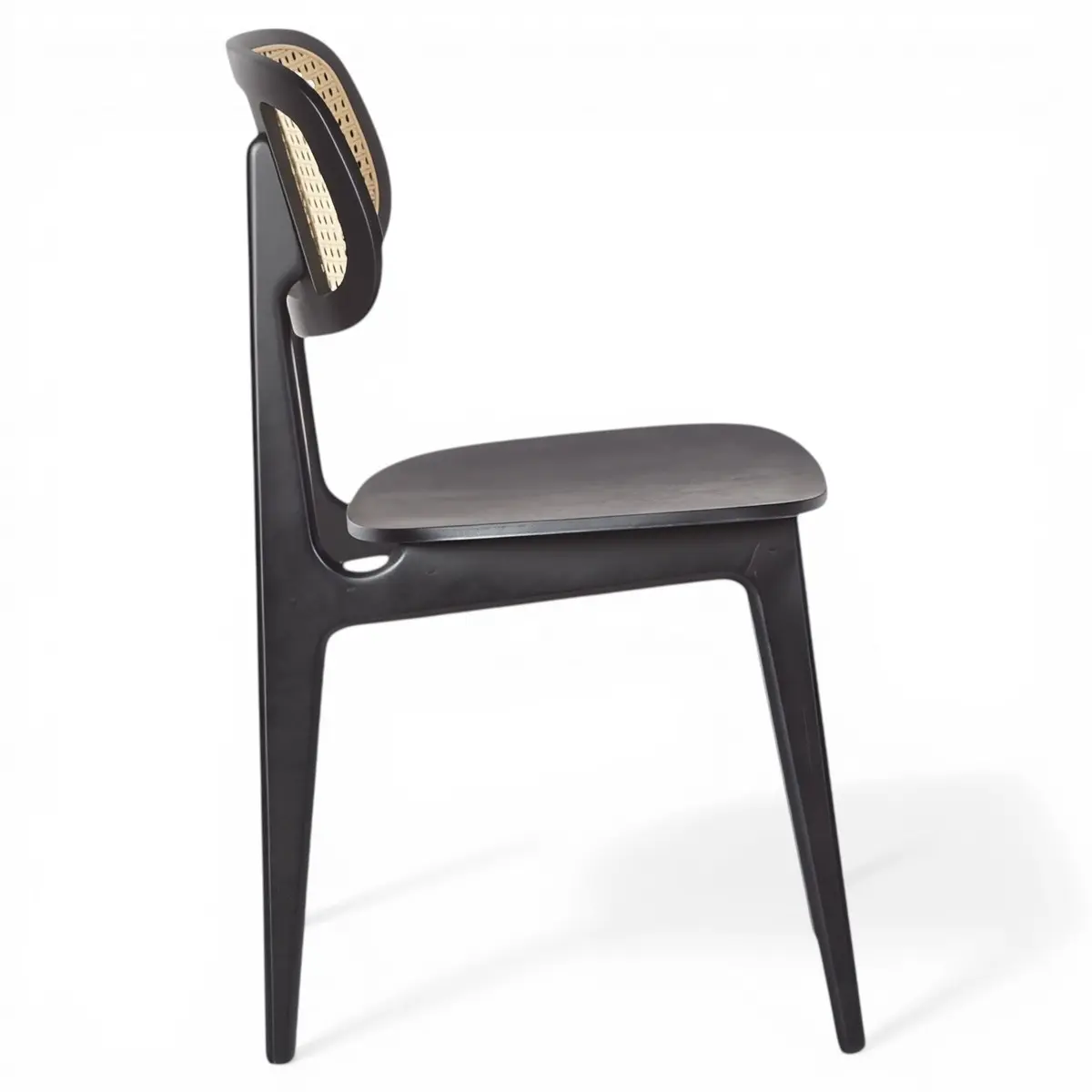
Brazil veneer chair: View the Brazil veneer chair
Key takeaways
- Solid wood is cut from a single species of hardwood and is ideal for legs, stretchers and joints that carry load.
- Plywood (molded veneer) is made from thin layers glued in alternating directions, which makes it stable and easy to shape into comfortable curves.
- Most quality commercial chairs use a solid frame with a plywood or upholstered seat; the frame and joinery matter more than the label.
- Ask about wood species, joint type, finish and testing, and inspect a sample before committing.
1) What is the difference between solid wood and plywood?
Solid wood parts are machined from planks of a single species, such as beech or oak. The grain runs continuously through the part, which gives strong, carvable components that can be sanded and refinished many times.
Plywood, in chair-making often called molded veneer or bent plywood, is made from thin sheets of wood veneer glued together with the grain alternating direction in each layer. Pressed in a mold, it forms curved seats and backs that would be wasteful or weak if carved from solid wood.
2) Which is stronger for restaurant chairs?
It depends on the part. For legs, rails and joints, solid hardwood is stronger and holds screws, dowels and glue better. For thin, curved panels like seats and backs, plywood is often stronger than solid wood of the same thickness, because the cross-layered grain resists splitting.
| Factor | Solid wood | Plywood / molded veneer |
|---|---|---|
| --- | --- | --- |
| Best use | Legs, stretchers, frames, joints | Curved seats and backs |
| Splitting resistance | Good, depends on grain | Excellent, cross-layered |
| Shaping | Carved or steam-bent | Pressed into molds |
| Weight | Heavier | Lighter |
| Refinishing | Can be sanded many times | Limited by thin face veneer |
| Repairability | High | Panels usually replaced |
3) How do the materials compare for comfort?
Molded plywood can be shaped to follow the body, with a gentle dip in the seat and a curved back. That is why many modern and mid-century designs use plywood shells. Solid wood seats can be comfortable too, especially when they are scooped or contoured, but deep curves are costlier to carve. For maximum comfort, either material can take an upholstered pad; our upholstered vs wood seat chairs guide explains the trade-offs.

Bernie solid wood chair: View the Bernie chair
4) Which lasts longer in a busy restaurant?
Longevity comes mostly from the frame and joinery, not from the seat material. A solid beech or oak frame with well-glued mortise-and-tenon or dowel joints, reinforced with corner blocks, will outlast a weak frame regardless of what the seat is made from. Plywood seats hold up well for years; their weak points are damaged edges and worn face veneer, which can usually be avoided with sealed edges and a quality lacquer.
Watch for
- Exposed plywood edges without a protective finish.
- Thin face veneers that could sand through during refinishing.
- Frames held together only by screws, without glued joints.
Read our guide to heavy duty restaurant chairs for more on frame strength.
5) How do weight and stacking compare?
Plywood seats and backs make a chair lighter, which staff appreciate when they flip chairs at closing. Solid wood chairs are heavier and feel more substantial. If you need stacking, many stackable designs use solid frames with plywood seats to keep weight down while preserving strength.

Frank stackable armchair: View the Frank armchair
6) What about bentwood chairs?
Bentwood chairs are made from solid wood that is steamed and bent into curves, a technique used for classic café chairs for well over a century. They are light and elegant and combine the strength of solid wood with flowing shapes. Many bentwood chairs pair solid bent frames with a plywood or cane seat.

CAFFE bentwood chair: View the CAFFE chair
7) How do finishes differ on solid wood and plywood?
Both take stains and lacquers well. Solid wood shows natural grain variation through the whole part, while plywood shows the grain of the top veneer layer. Matching stain across a solid frame and a veneer seat takes care, because the two surfaces absorb stain differently. BESeating offers custom stain matching, and you can preview wood stains before ordering.
8) Which wood species should you look for?
For commercial chairs, beech and oak are proven choices. Beech is dense, strong and takes stain evenly; oak has a pronounced grain and strong character. BESeating wood chairs are manufactured in Europe from carefully selected beech and oak, building on production roots in solid wood seating since 1993.
| Species | Look | Strength | Stain behavior |
|---|---|---|---|
| --- | --- | --- | --- |
| Beech | Fine, even grain | Very good | Takes dark and light stains evenly |
| Oak | Open, prominent grain | Very good | Grain shows through stain |
9) Is plywood a sign of a cheaper chair?
No. Plywood is a deliberate engineering choice for curved parts, used in many iconic designs. A poor chair is defined by weak joints, thin parts, poor glue and a soft finish, not by the presence of plywood. Judge a chair by its frame, joinery, finish and testing rather than by the material label.
10) How do you evaluate a sample chair?
Sit on it, rock it gently and check for creaks. Look at joints for clean glue lines and tight fits. Inspect plywood edges and seat undersides for a sealed finish. Ask about the wood species, joint construction and testing. BESeating offers samples for all products, and every chair goes through a quality testing process.
Final recommendation
For most restaurants, choose a chair with a solid beech or oak frame and well-glued joints, paired with a molded plywood or upholstered seat for comfort and lower weight. Pick all-solid-wood designs when you want maximum repairability and a substantial, traditional feel. Either way, focus on frame quality, finish and testing.
Next step: browse wood restaurant chairs, order samples to compare construction in person, then contact the BESeating team for help choosing.
FAQ: Solid wood vs plywood chairs
Are plywood chairs strong enough for restaurants?
Yes, when plywood is used for seats and backs on a well-built solid frame. Cross-layered veneers resist splitting and can be shaped for comfort. The weak points to check are exposed edges, thin face veneers and the quality of the frame joints that carry most of the load.
Do solid wood chairs last longer than plywood chairs?
Not automatically. Lifespan depends mostly on frame design, joinery and finish. Solid wood is easier to repair and refinish many times, which can extend its life. A chair with a solid hardwood frame and a plywood seat can last as long as an all-solid-wood chair.
Why are many restaurant chair seats made of plywood?
Plywood can be pressed into curved, body-friendly shapes, stays dimensionally stable when humidity changes and weighs less than solid wood of similar strength. That makes it practical for seats and backs, while solid wood remains the better choice for legs and load-bearing joints.
Can plywood chairs be refinished?
Lightly, yes. The top veneer is thin, so heavy sanding can cut through it. Plywood seats are usually cleaned, touched up or recoated rather than sanded deeply. Solid wood parts tolerate full sanding and refinishing several times over the life of the chair.
Which wood is best for commercial restaurant chairs?
Beech and oak are both excellent. Beech is dense, strong and stains evenly, so it suits both dark and light finishes. Oak offers a strong, visible grain and a premium look. Both are widely used for solid frames in commercial seating.



Be Seating 2010 - 2026 All rights reserved ©
Request a quote
CloseName
Phone
Company name
Industry type
Country
Notes
Please enter the result below
I agree with....
Wrong verification code.
All fields are mandatory
Thank you for your message! We will come back to you shortly.