


Food Hall Furniture: How to Choose Durable Shared Seating
09:00 | Wed | 04 November 2026
Food Hall Furniture: How to Choose Durable Shared Seating
Updated November 2026 · By the BESeating team — manufacturing commercial seating since 1993
Quick answer: The best food hall furniture is tough, easy to clean and flexible: metal or hardwood chairs that stack or move easily, communal tables of 30 x 72 in (76 x 183 cm) or longer, a mix of high tops and booths for different group sizes, and finishes that hide scuffs. Plan for constant turnover and guests rearranging tables all day.
Food hall furniture works harder than seating in almost any other dining format. One shared room serves breakfast, lunch, happy hour and late-night crowds, with guests from a dozen vendors moving chairs and pushing tables together. This guide explains what to choose so the space stays comfortable, flexible and good-looking for years.

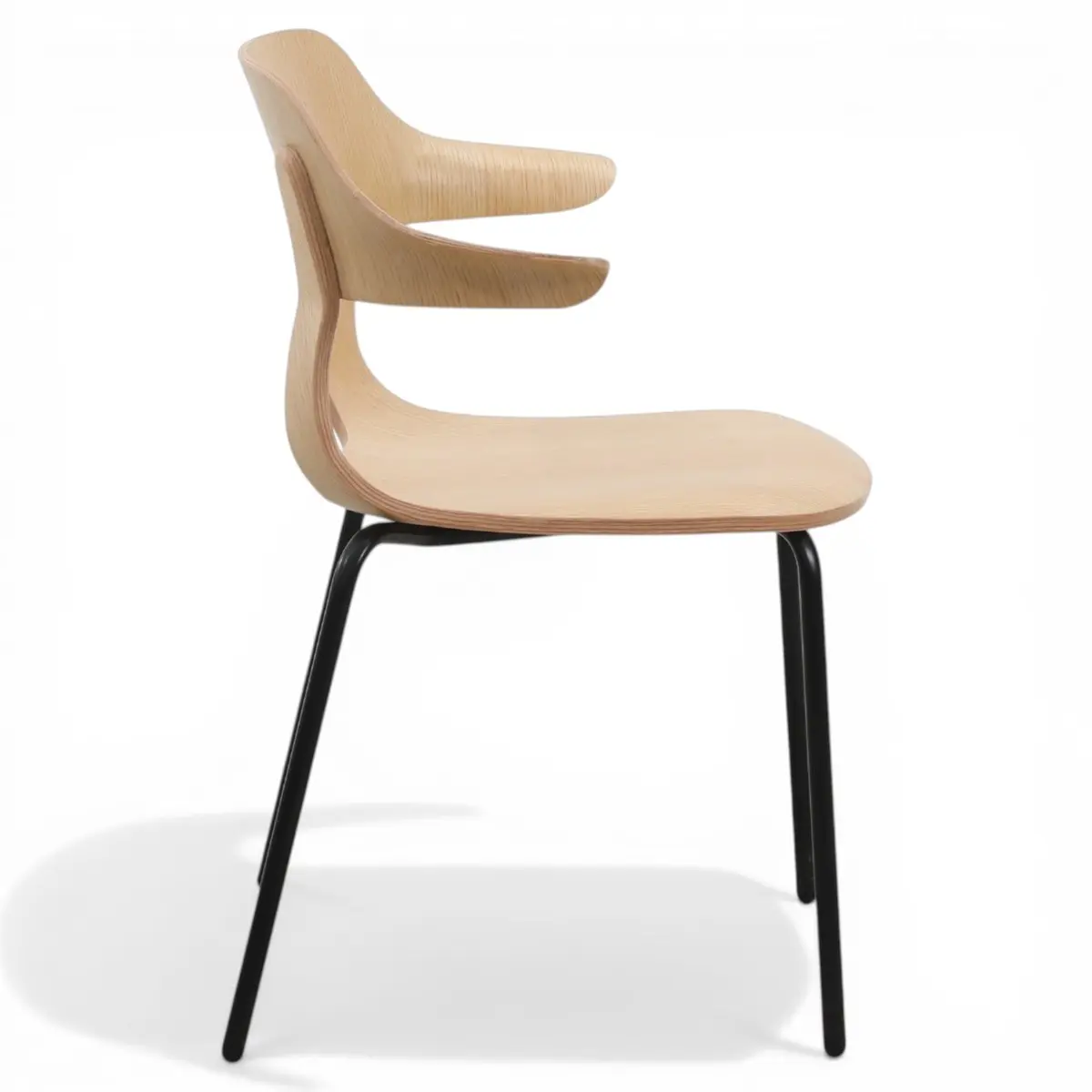
Metal chair with wood seat: View our metal restaurant chairs
Key takeaways
- Plan seating zones: communal tables, two-tops, high tops, booths and counters.
- Choose lightweight but commercial-grade chairs that survive constant dragging.
- Use durable top materials and heavy bases that resist tipping and wobble.
- Pick neutral, mid-tone finishes so mixed vendor branding still looks cohesive.
1) What makes food hall seating different?
Food halls have no assigned servers or fixed table plans. Guests seat themselves, move chairs to fit groups and stay anywhere from ten minutes to two hours. That means more dragging, more spills, more sanitizing and more chairs used as bag racks. Furniture must be commercial grade, easy to clean and simple to rearrange at closing time.
2) Which chairs work best in a food hall?
Best for
- Metal frame chairs with wood or molded seats for heavy traffic
- Solid hardwood chairs with simple profiles for a warmer look
- Stackable models where the hall hosts events or needs floor cleaning
Strengths
- Metal frames tolerate dragging and bumping
- Wood seats are easy to wipe and feel warmer than metal
Watch for
- Very light chairs that tip when a bag hangs on the back
- Upholstered seats in zones near drink stations
Hardwood chairs made from beech or oak, like the solid wood chairs BESeating manufactures in Europe, stay rigid under daily use. Read our heavy duty restaurant chairs guide for construction details to look for.

Star ALM chair: View the Star ALM chair
3) How should you zone a food hall?
Good food halls offer several seating types so every group finds a fit. A typical mix:
| Zone | Share of seats | Furniture | Who uses it |
|---|---|---|---|
| --- | --- | --- | --- |
| Communal tables | 30 to 40% | Long tables, chairs or benches | Groups, solo diners, workers |
| Two- and four-tops | 25 to 35% | Small tables that combine | Couples, small groups |
| High tops and rails | 10 to 20% | Bar height tables, stools | Quick bites, drinks |
| Booths and banquettes | 10 to 15% | Booths along walls | Families, longer stays |
| Bar or counter seats | 5 to 15% | Bar stools at vendor or bar counters | Solo guests, drinks |
4) What size communal tables should you use?
Communal tables are the backbone of a food hall. Allow about 24 in (61 cm) of table length per guest, so a 30 x 72 in (76 x 183 cm) table seats six and a 36 x 96 in (91 x 244 cm) table seats eight. Leave at least 18 in (46 cm) behind chairs and 44 to 48 in (112 to 122 cm) main circulation aisles, wider near vendor queues. Our restaurant table sizes guide lists more dimensions.
5) Which table tops and bases hold up?
Food hall tables are leaned on, sat on and dragged. Choose sealed solid wood or high-pressure laminate tops with protected edges, and heavy bases sized to the top. Four-leg frames or twin pedestal bases work well for long communal tables; disc and X bases suit two-tops. Browse restaurant table bases and table tops.
| Option | Strength | Consideration |
|---|---|---|
| --- | --- | --- |
| Solid wood top | Warm, refinishable | Needs commercial sealed finish |
| Laminate top | Very durable, many colors | Edge type affects chipping |
| Cast iron base | Heavy, stable | Heavier to move at night |
| Steel four-leg frame | Strong for long tops | Check leg position vs chairs |
6) Should a food hall use booths?
Booths along walls and columns give families and longer-stay guests a comfortable anchor and use space that loose chairs would waste. Single and double booths with vinyl upholstery are easy to clean and repair. Explore our restaurant booths for wood box and wood leg styles.

Restaurant booths: View our restaurant booths
7) How do high tops and bar stools fit in?
High tops and rail counters capture solo diners and quick visits, especially near bars and coffee vendors. Use bar height tables at 40 to 42 in (102 to 107 cm) with 28 to 30 in (71 to 76 cm) stools, or counter height for broader appeal. Backless stools tuck away and keep sightlines open across the hall. Browse our restaurant bar stools.
8) Which materials and finishes look good longest?
Mid-tone wood stains, black or bronze metal frames and textured vinyls hide scuffs, crumbs and fingerprints. Avoid very light finishes near high-traffic aisles. Because vendors have different branding, the furniture should provide a calm, neutral backdrop. BESeating offers custom stain matching and a wide range of commercial vinyls and fabrics; see our colors and upholstery options.
9) How do you plan for accessibility?
Shared seating must include accessible options in each seating type where possible: standard height tables with knee clearance, open spots for wheelchairs at communal tables and accessible counter sections. Our ADA restaurant seating guide covers the key clearances.

Frank stackable armchair: View the Frank stackable armchair
10) Should a food hall include outdoor seating?
Many food halls extend onto a plaza or patio in warm months. Outdoor seating should be commercial outdoor furniture, such as aluminum chairs and weather-resistant tables, not indoor chairs moved outside. See our outdoor patio furniture collection.
11) How do you maintain food hall furniture?
- Wipe tables and seats after each use, and deep clean nightly.
- Check glides and levelers weekly; replace worn glides quickly.
- Tighten table base bolts monthly.
- Keep spare chairs and replacement glides on site.
Final recommendation
Furnish a food hall with commercial-grade metal or hardwood chairs, durable communal tables on heavy bases, a ring of booths on walls and a line of high tops near bars and coffee. Keep finishes neutral and mid-tone, plan generous aisles near vendor queues, and choose pieces that are easy to clean and rearrange every day.
Next step: browse our restaurant chairs, restaurant tables and booths, request samples, or contact our team to plan seating for your food hall.
FAQ: Food hall furniture
What type of chairs are best for a food hall?
Commercial-grade metal frame chairs with wood or molded seats, and solid hardwood chairs with simple profiles, handle food hall traffic best. They tolerate dragging, frequent wiping and constant use. Stackable models help when the hall hosts events or needs open floor space for cleaning and setup.
How many seats should a food hall have?
It depends on the number of vendors, local codes and expected peak traffic. Many planners allow roughly 15 to 20 sq ft (1.4 to 1.9 m²) per seat in dining areas, including aisles. Confirm occupancy with your architect and local fire code before finalizing seat counts and layouts.
How long should communal tables be?
Allow about 24 in (61 cm) of table length per guest. A 72 in (183 cm) table seats six, and a 96 in (244 cm) table seats eight. Width of 30 to 36 in (76 to 91 cm) leaves room for trays from different vendors without crowding.
Should food hall seating be fixed or movable?
Most food halls use mostly movable seating so guests can form groups and staff can rearrange for events. Fixed booths and banquettes along walls add comfort and anchor the room. A mix of both gives flexibility while keeping aisles and exits clear for safety.
What finishes hide wear best in a food hall?
Mid-tone wood stains, black or bronze metal frames and textured commercial vinyls hide scuffs, crumbs and fingerprints better than very light or high-gloss finishes. Neutral colors also give a calm backdrop that works with many different vendor brands and signage styles.



Be Seating 2010 - 2026 All rights reserved ©
Request a quote
CloseName
Phone
Company name
Industry type
Country
Notes
Please enter the result below
I agree with....
Wrong verification code.
All fields are mandatory
Thank you for your message! We will come back to you shortly.