


Diner Furniture: Booths, Counter Stools and Chairs for a Classic Diner
09:00 | Tue | 03 November 2026
Diner Furniture: Booths, Counter Stools and Chairs for a Classic Diner
Updated November 2026 · By the BESeating team — manufacturing commercial seating since 1993
Quick answer: The best diner furniture combines booths along the walls, a run of counter-height stools at the counter and sturdy chairs at loose tables. Choose commercial vinyl that wipes clean, 24 in (61 cm) counter stools for a standard 36 in (91 cm) counter, and pedestal table bases that make booth access easy.
A diner lives or dies by turnover, comfort and durability. The right diner furniture has to handle breakfast rushes, late-night crowds and daily wipe-downs while still feeling welcoming. This guide walks through booths, counter stools, chairs, tables and finishes so you can plan a room that works hard for years.

Double booth with wood box base: View the double restaurant booth
Key takeaways
- Booths are the heart of a diner: plan them first along walls and windows, then fill the center with tables and chairs.
- Counter stools for a 36 in (91 cm) counter should have a seat height of about 24–26 in (61–66 cm).
- Commercial vinyl in mid-tone or dark colors hides wear and cleans quickly between turns.
- Pedestal table bases keep legs out of the way for booth guests and make cleaning under tables easier.
1) What furniture does a diner need?
Most diners use three seating zones. Booths line the perimeter and windows, counter stools face the kitchen or pass-through, and loose tables with chairs fill the middle so you can push tables together for larger groups. A typical mix in a classic diner is roughly 40–60% booth seats, 15–25% counter seats and the rest at loose tables, but the right split depends on your menu and guest profile.
Best for each zone
- Booths: families, groups of three to four, guests who linger over coffee.
- Counter stools: solo diners, quick breakfasts, takeout customers waiting for orders.
- Loose tables: flexible party sizes, large groups, guests who need accessible seating.
2) How should you plan diner booths?
Booths give a diner its look and its comfort. Plan single booths against walls and double (back-to-back) booths in rows through the room. A common seat height is about 18 in (46 cm), with seat depth around 18–20 in (46–51 cm). Allow roughly 24 in (61 cm) of seat width per guest, so a four-seat booth table usually needs about 48 in (122 cm) of booth length on each side.
For exact sizing and table clearances, see our guide to restaurant booth dimensions.
Watch for
- Leave about 3–4 in (8–10 cm) of overlap between the table edge and the front of the booth seat so guests are not reaching.
- Plan end-of-row booths so staff can serve from the aisle without leaning over guests.
3) Which counter stools work best in a diner?
Counter seating is where a diner feels most authentic. For a standard counter height of about 36 in (91 cm), choose counter-height stools with a seat height of 24–26 in (61–66 cm). For a 42 in (107 cm) bar-height counter, choose 29–31 in (74–79 cm) stools. Leave about 24–26 in (61–66 cm) center to center between stools so guests do not bump elbows.
Stools with backs feel more comfortable for longer meals, while backless stools tuck neatly under the counter overhang in tight spaces. If you are undecided, our comparison of bar stools with backs vs backless breaks down the trade-offs.

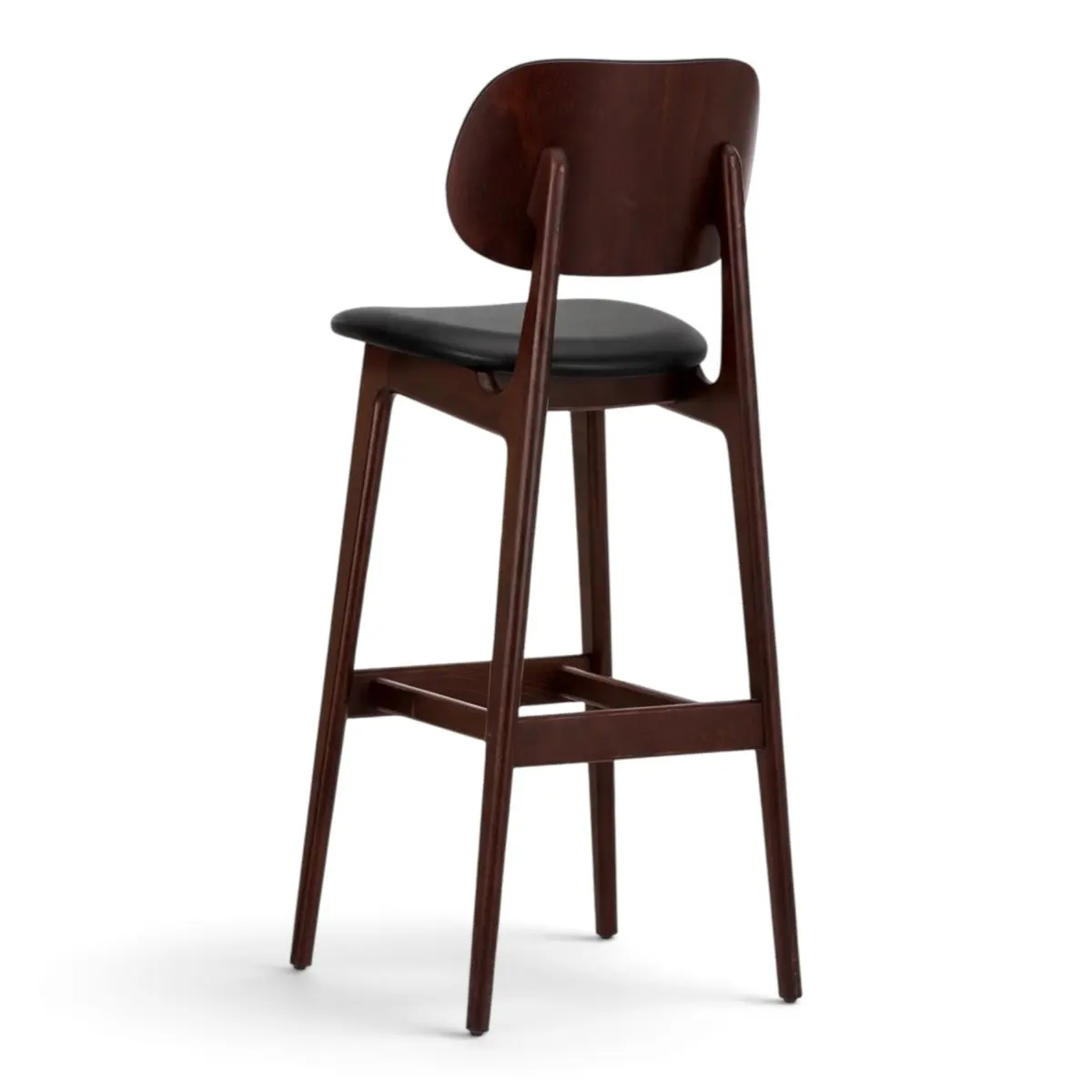
Bernie B wood bar stool: View the Bernie B bar stool
4) Wood or metal stools and chairs for a diner?
Both work. Metal frames suit a retro or industrial diner and handle heavy use, while wood frames bring warmth and a more modern, café-like feel. BESeating wood seating is manufactured in Europe from carefully selected beech and oak, and every chair and bar stool goes through a quality testing process before it ships.
| Feature | Wood stools and chairs | Metal stools and chairs |
|---|---|---|
| --- | --- | --- |
| Look | Warm, classic, mid-century | Retro, industrial, sleek |
| Finish options | Custom stains and lacquers | Powder coat colors |
| Weight | Moderate | Light to moderate |
| Best for | Modern diners, brunch spots | High-volume, retro diners |
For a deeper comparison, read wood vs metal bar stools, or browse our metal bar stools and wood bar stools.

Ellen metal bar stool: View the Ellen bar stool
5) What chairs suit loose diner tables?
Loose-table chairs need to be light enough to move, strong enough for daily abuse and compact enough to keep aisles open. Side chairs with a seat width of about 17–19 in (43–48 cm) work well at 30 in (76 cm) square two-tops and 30 x 48 in (76 x 122 cm) four-tops. Upholstered seats add comfort for slower weekend brunches; wood seats are the easiest to clean.
Browse our wood restaurant chairs. Most BESeating restaurant chairs arrive fully assembled, which helps when you are working to a tight opening date.

Bernie solid wood chair: View the Bernie restaurant chair
6) Which tables and bases work best in a diner?
Diner tables take a beating from plates, coffee pots and condiment caddies. Choose a durable top, such as laminate with a sealed edge or a solid wood top with a commercial finish, and pair it with a heavy, stable base. Pedestal bases are the standard for booths because they leave room for guests' legs.
Strengths of pedestal bases in a diner
- No corner legs to trip over when guests slide into a booth.
- One column to wipe instead of four legs.
- Easy to level with adjustable glides on uneven floors.
See our restaurant table bases and check restaurant table sizes before you order.
7) What upholstery holds up best in a diner?
Commercial vinyl is the go-to for diners. It wipes clean, resists spills and comes in classic diner reds, deep blues, black and warm browns. Choose a vinyl rated for heavy commercial use and look at the double rub rating; our guide to double rub count explains what the numbers mean.
| Choice | Why it works in a diner | Watch for |
|---|---|---|
| --- | --- | --- |
| Solid red or teal vinyl | Classic retro look | Shows scuffs more than darker tones |
| Black or dark brown vinyl | Hides wear, timeless | Can look heavy in a small room |
| Two-tone booth backs | Strong visual identity | More complex to reupholster later |
Explore our colors and upholstery options, and request swatches before committing to a color scheme.
8) How much space should you allow between seats?
Aim for about 18 in (46 cm) between a pushed-out chair and the next chair back, and main aisles of 36–44 in (91–112 cm) for staff carrying trays. At the counter, leave at least 36 in (91 cm) behind stools so servers and guests can pass.
9) How do you keep diner furniture looking good?
Wipe vinyl and table tops after every turn with a mild cleaner, check glides and stool footrests monthly, and tighten any loose hardware early. Rotate high-traffic chairs and stools so wear is spread evenly. Replace worn glides promptly, because a missing glide can scratch floors and loosen joints over time.
10) Should a diner buy custom or standard furniture?
Standard models in your choice of finish and upholstery are usually the fastest route. Custom stain matching and booth configurations make sense when you are building a strong brand or furnishing several locations. BESeating supports both independent diners and multi-location rollouts, and samples are available for all products, including fabric and vinyl swatches.
Final recommendation
Start with booths along the walls and windows, add counter-height stools at a 36 in (91 cm) counter, and fill the floor with compact, stackable or easy-to-move chairs. Choose dark or mid-tone commercial vinyl, pedestal bases for booth tables and frames built for daily commercial use.
Next step: order samples of your favorite vinyls and finishes, then contact the BESeating team with your floor plan for a seating proposal.
FAQ: Diner furniture
What seat height do diner counter stools need?
For a standard 36 in (91 cm) diner counter, choose counter stools with a 24–26 in (61–66 cm) seat height. For a 42 in (107 cm) bar-height counter, choose 29–31 in (74–79 cm) stools. Leave about 10–12 in (25–30 cm) between the seat and the underside of the counter.
How many booths should a diner have?
Many diners put 40–60% of their seats in booths, placed along walls and windows. The rest is split between counter stools and loose tables. The right number depends on your room shape and party sizes, so start with a floor plan and test a few layouts before ordering.
Is vinyl or fabric better for diner seating?
Commercial vinyl is usually better for diners because it wipes clean quickly, resists spills and handles constant turnover. Fabric can work in a calmer brunch-style diner, but it needs more maintenance. Whatever you choose, check the double rub rating and order swatches first.
What table base is best for diner booths?
A pedestal base is best for booth tables because it keeps legs clear of guests sliding in and out. Size the base to the table top: larger tops need a wider foot or a heavier base to stay stable. Adjustable glides help level tables on older diner floors.
Can I mix wood and metal furniture in a diner?
Yes. Many diners use metal stools at the counter and wood chairs at loose tables, tied together by one vinyl color and one wood stain. Keep the frame finishes consistent within each zone so the room feels planned rather than mismatched.



Be Seating 2010 - 2026 All rights reserved ©
Request a quote
CloseName
Phone
Company name
Industry type
Country
Notes
Please enter the result below
I agree with....
Wrong verification code.
All fields are mandatory
Thank you for your message! We will come back to you shortly.