


School Cafeteria Furniture: How to Choose Durable Dining Seating
08:59 | Fri | 30 October 2026
School Cafeteria Furniture: How to Choose Durable Dining Seating
Updated October 2026 · By the BESeating team — manufacturing commercial seating since 1993
Quick answer: The best school cafeteria furniture is commercial-grade, easy to clean and sized for the age group: welded or reinforced metal or hardwood chairs, stackable where floors are cleared daily, tables on stable heavy bases, and layouts with 36–48 in (91–122 cm) aisles for tray traffic. Durability and cleaning speed matter more than trends.
Choosing school cafeteria furniture is a durability decision first: a lunchroom or college dining hall can see three to five seatings a day, five days a week, plus evening events. This guide covers chair and table types, sizing for different ages, layout, cleaning and how to compare options before you order.

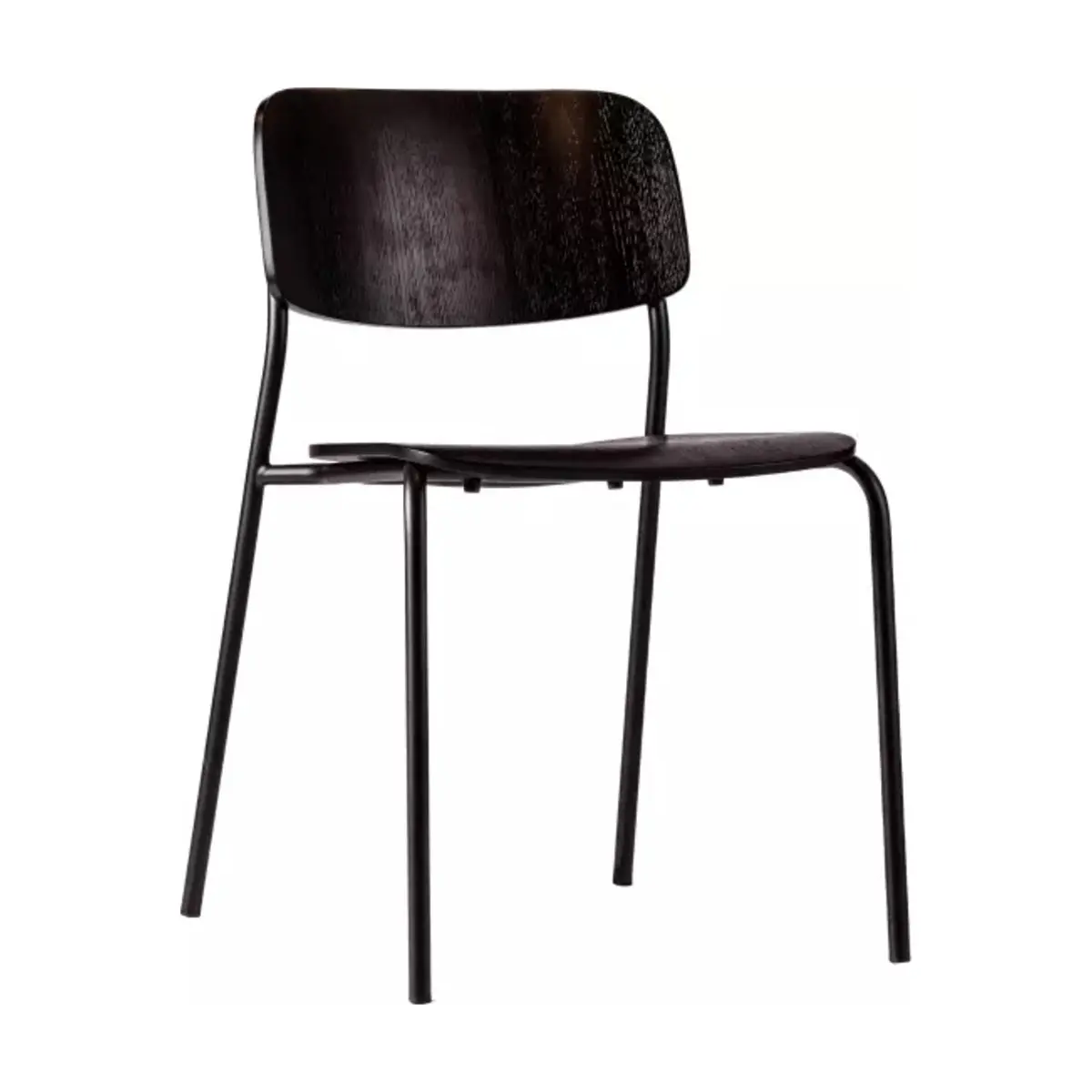
Metal chair with wood seat and back (BF-004): View the BF-004 chair
Key takeaways
- Specify commercial-grade frames built for repeated daily use, not residential or light-duty chairs.
- Match seat and table heights to the age group — elementary students need lower furniture than high school or college users.
- Plan 36–48 in (91–122 cm) aisles so students with trays and staff with carts can move safely.
- Choose surfaces that survive frequent wiping with commercial cleaners, and order samples to test them.
1) What makes school cafeteria furniture different from restaurant furniture?
A school cafeteria combines the hardest parts of restaurant use: very high turnover, short meal periods, users who are not gentle with chairs, and daily cleaning with strong products. Where a restaurant chair might see 3–6 guests per day, a cafeteria chair can see 10 or more students in a single lunch window, often dragged, tipped back or stacked in a hurry by custodial staff.
That is why the same rules that apply to commercial grade restaurant furniture apply here, only with a bigger safety margin: reinforced joints, solid seat attachments, protective glides and finishes that do not chip after a semester.
Best for
- K-12 lunchrooms with multiple seatings per day
- College and university dining halls and food courts
- Campus cafés, student unions and faculty dining rooms
Watch for
- Light-duty chairs designed for home dining
- Thin or plastic-only legs that flex under rocking
- Finishes that are hard to touch up after scratches
2) Which chair types work best in a cafeteria?
Most school dining programs choose between three chair families. The right one depends on how the room is cleaned and whether it doubles as a multipurpose space.
| Chair type | Strengths | Watch for | Best use |
|---|---|---|---|
| --- | --- | --- | --- |
| Metal chairs | Strong frames, slim profile, many are stackable | Need good glides to protect floors; check welds | Busy K-12 cafeterias, multipurpose rooms |
| Metal frame with wood seat/back | Warmer look, durable frame, replaceable feel of wood | Wood surfaces need a commercial finish | College dining halls, campus cafés |
| Solid wood chairs | Comfortable, classic, easy to refinish | Heavier to move; more care with water | Faculty dining, upscale campus restaurants |
Metal chairs with wood seats and backs are a popular middle ground for colleges: they look more like a restaurant than an institution, which matters when universities compete on student experience. Browse metal restaurant chairs and solid wood chairs to compare frames side by side.

Frank stackable wood armchair: View the Frank chair
3) Should cafeteria chairs be stackable?
If custodial staff clear the floor every night, or if the cafeteria doubles as an assembly or event space, stackable chairs save a lot of labor and storage. Typical commercial stacking heights run from 4 to 10 chairs, depending on the frame and whether chairs have arms.
If the room stays set up permanently, stacking matters less than stability and comfort. Many college dining halls choose non-stacking chairs for the main floor and keep a stack of stackable restaurant chairs for overflow and events. For more on event-ready seating, see our guide to event venue chairs.
4) What size should cafeteria chairs and tables be for different ages?
Seat and table height should fit the user. Adult-height furniture is standard in high schools and colleges, while elementary programs often specify lower sizes. Typical ranges:
| User group | Seat height | Table height |
|---|---|---|
| --- | --- | --- |
| Lower elementary | 12–14 in (30–36 cm) | 20–22 in (51–56 cm) |
| Upper elementary / middle school | 15–17 in (38–43 cm) | 24–27 in (61–69 cm) |
| High school, college, staff | 17–19 in (43–48 cm) | 29–30 in (74–76 cm) |
Keep roughly 10–12 in (25–30 cm) between the seat top and the table top so knees fit and students can sit upright. If you mix heights in one room, group them in zones so cleaning crews do not mix them up.
5) Which cafeteria table shapes and bases work best?
Long rectangular tables seat the most students per square foot, while 36–42 in (91–107 cm) round tables encourage conversation and suit college dining halls. Many campuses combine both: long tables in the center and small tables along walls and windows.
Bases matter as much as tops. Heavy cast bases or well-braced legs keep tables from wobbling when students lean on them. Use our table bases range and the table tops options to build sizes that match your room rather than forcing a standard size into it.
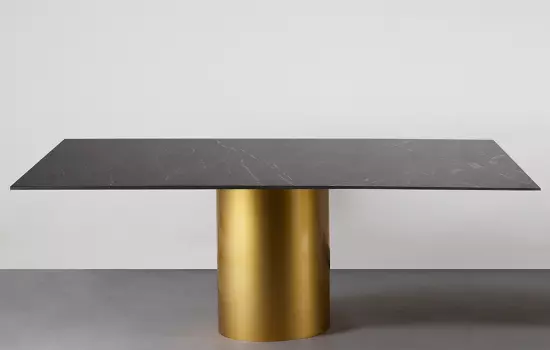
Large commercial table bases: View table bases
Strengths of separate tops and bases
- Mix sizes for different zones without changing the look
- Replace a damaged top without replacing the whole table
- Choose base sizes that match top diameter for stability
6) How much space should a school cafeteria layout allow?
A common planning range for school dining is 10–14 sq ft (0.9–1.3 m²) per seat, depending on table type and service style. Main aisles carrying tray traffic should be 48 in (122 cm) or wider, and secondary aisles at least 36 in (91 cm). Leave clear space at serving lines, tray returns and exits so queues do not block seating.
Accessible seating should be spread through the room, not grouped in one corner. Our restaurant seating layout guide explains clearances, chair pull-out space and aisle widths in more detail.
7) How do you keep cafeteria furniture clean and hygienic?
Cafeteria furniture is wiped after every seating, so choose surfaces that tolerate frequent cleaning:
- Smooth sealed wood or powder-coated metal that wipes clean quickly
- Commercial vinyl rather than fabric for any upholstered seats
- Minimal crevices where food can collect
- Glides that can be replaced when they wear down
Test cleaning products on samples before you order, and inspect joints and glides each term. Our guide on when to replace restaurant chairs explains how to decide between repairing, reupholstering and replacing worn seating.
8) Do booths or banquettes make sense in a school dining hall?
In K-12 cafeterias, loose chairs and tables are usually more practical. In college dining halls, student unions and campus cafés, booths along walls create quieter study-friendly zones and increase seat count against walls. They also help break up a large hall so it feels less institutional.

Double booth with wood box base: View the booth
If you are weighing fixed seating, compare banquette vs booth seating and check restaurant booth dimensions before drawing a plan.
9) What about outdoor and courtyard dining?
Many schools and campuses add courtyard or patio seating to increase capacity in good weather. Outdoor furniture must handle sun, rain and temperature swings, so specify frames and finishes made for exterior use, such as aluminum, and plan secure storage for off-season months.

Outdoor stackable aluminum chair: View the outdoor chair
10) How should schools compare quotes and suppliers?
Compare suppliers on more than unit price. Ask how each chair and table is tested, whether samples are available, how products ship (assembled or flat-packed), and whether replacement parts such as glides are easy to get. Cheaper residential-grade chairs often cost more over five to ten years because they loosen, wobble and need replacing.
BESeating chairs, tables, booths and bar stools go through a quality testing process, most restaurant chairs arrive fully assembled, and samples are available for every product, including vinyl and fabric swatches.
Final recommendation
For most school cafeteria furniture projects, start with durable metal or metal-and-wood chairs sized to the age group, pair them with heavy, stable table bases, and plan generous aisles for tray traffic. Add stackable chairs where floors are cleared daily, and reserve booths and solid wood seating for college dining halls and campus cafés where the experience matters as much as capacity.
Next step: browse restaurant chairs and tables, order samples to test with your cleaning products, or contact the BESeating team with your room size and seat count.
FAQ: School cafeteria furniture
What is the most durable chair for a school cafeteria?
Commercial-grade metal chairs with welded frames are usually the most durable choice for K-12 cafeterias because they tolerate rocking, dragging and daily stacking. Metal frames with wood seats and backs add warmth for college dining halls while keeping strength. Always check how the chair is tested and whether glides are replaceable.
How many students can a cafeteria seat per square foot?
A common planning range is 10–14 sq ft (0.9–1.3 m²) per seat, including aisles, depending on table shape and service style. Long tables use space most efficiently, while round tables and booths need more. Confirm your final layout against local fire code and accessibility requirements before ordering furniture.
Are stackable chairs strong enough for cafeterias?
Yes, if they are commercial-grade. Stackable chairs built for restaurants are designed for daily use and repeated stacking, and they save labor when floors are cleaned nightly. Check the recommended stack height, look for protective glides, and avoid light-duty chairs sold for home or occasional use.
What table height is right for elementary students?
Lower elementary students typically use tables around 20–22 in (51–56 cm) high with seats of 12–14 in (30–36 cm). Upper elementary and middle school students often fit 24–27 in (61–69 cm) tables. High schools and colleges use standard 29–30 in (74–76 cm) dining height.
Should cafeteria seats be upholstered?
In most K-12 cafeterias, hard seats in wood or metal are easier to keep clean. If you want upholstery in a college dining hall or café, choose commercial vinyl, which wipes clean quickly and resists spills better than most fabrics. Order swatches and test them with your actual cleaning products first.



Be Seating 2010 - 2026 All rights reserved ©
Request a quote
CloseName
Phone
Company name
Industry type
Country
Notes
Please enter the result below
I agree with....
Wrong verification code.
All fields are mandatory
Thank you for your message! We will come back to you shortly.