


Restaurant Furniture Budget: How to Plan and Allocate Your Spend
09:14 | Thu | 05 November 2026
Restaurant Furniture Budget: How to Plan and Allocate Your Spend
Updated November 2026 · By the BESeating team — manufacturing commercial seating since 1993
Quick answer: A good restaurant furniture budget starts with a seat count, not a price list. Multiply seats by a realistic cost per seat for chairs, add tables, bases and booths, then reserve 5–10% for spares, samples, freight and receiving. Spend most on the pieces guests touch every visit: chairs and booth seating.
Planning a restaurant furniture budget is one of the few early decisions that affects your guests every single day. Seating is visible, touched and moved hundreds of times a week, so the goal is not to spend the least but to spend in the right places. This guide shows how restaurant owners and designers build a realistic furniture plan, line by line.
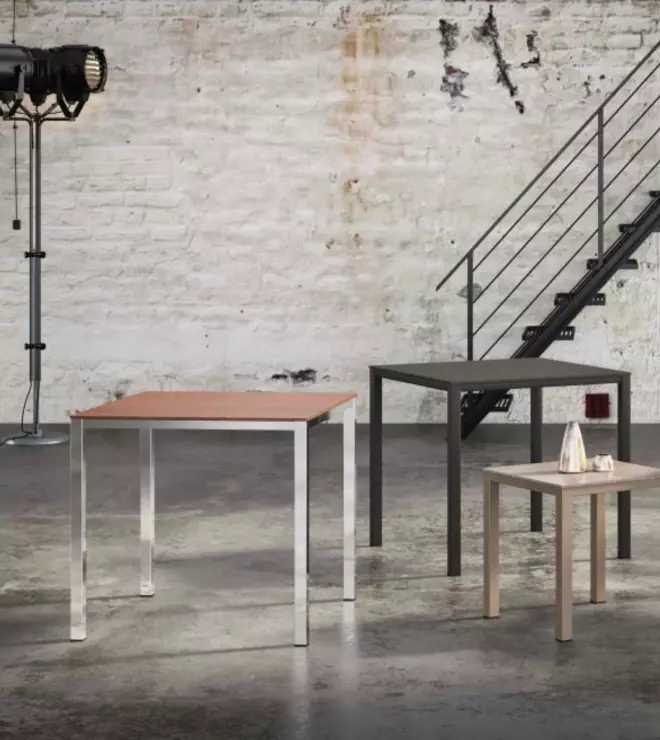
Complete tables: View complete restaurant tables
Key takeaways
- Build the budget from your floor plan and seat count first, then assign a cost per seat.
- Chairs and booths usually take the largest share; tables, tops and bases come next.
- Hold back 5–10% for spare chairs, samples, freight, receiving and small surprises.
- Commercial-grade pieces cost more up front but are cheaper per year of service.
1) Where should a restaurant furniture budget start?
Start with the floor plan. Before anyone looks at chair styles, you need the number of seats, the mix of seating types and the table layout. A 90-seat restaurant with 40 booth seats and 50 loose chairs has a very different budget from a 90-seat café that uses only chairs and two-tops.
List every zone: main dining, bar, lounge or waiting area, patio and private dining. For each zone, record the seat count, the seating type (chair, armchair, bar stool, booth, banquette) and the table sizes. If you have not finalized the plan, our guide to restaurant table sizes gives typical tops for two-, four- and six-person tables.
2) How do you calculate cost per seat?
Cost per seat is the simplest way to compare options and keep the plan honest. For each seating type, add up the seating piece plus its share of the table, top and base, then divide by the number of seats it serves.
| Line item | How to calculate it | Notes |
|---|---|---|
| --- | --- | --- |
| Chairs | Number of chairs × unit price | Include armchairs separately if used at ends or in private dining |
| Bar stools | Number of stools × unit price | Check counter vs bar height before ordering |
| Booths | Linear feet or units × unit price | Single, double and wall benches price differently |
| Table tops | Number of tops × unit price | Size, material and edge profile drive cost |
| Table bases | Number of bases × unit price | One base per top, sometimes two for long tops |
| Reserve | 5–10% of the total | Spares, samples, freight, receiving, touch-ups |
Once you have a cost per seat for each zone, you can quickly test changes. Swapping 12 loose chairs for a wall banquette, for example, changes both the seat count and the cost per seat, and the table above makes the trade-off visible.
3) How should you split spend between chairs, tables and booths?
There is no fixed formula, but most full-service restaurants spend the largest share on seating. Chairs and booths are what guests feel, they take the most abuse, and they define the look of the room. Tables matter for stability and spacing, but a solid top on a correctly sized base does not need to be the most expensive item in the room.
Best for a chair-heavy plan
- Cafés, bistros and casual dining rooms that rearrange tables often
- Rooms with mostly two-tops that combine into larger parties
Best for a booth-heavy plan
- Diners, family restaurants and sports bars where guests stay longer
- Wall runs where booths add seats without adding aisle width
Watch for
- Underspending on chairs and then replacing them two or three years later
- Forgetting armchairs, high chairs or ADA-accessible table positions in the count

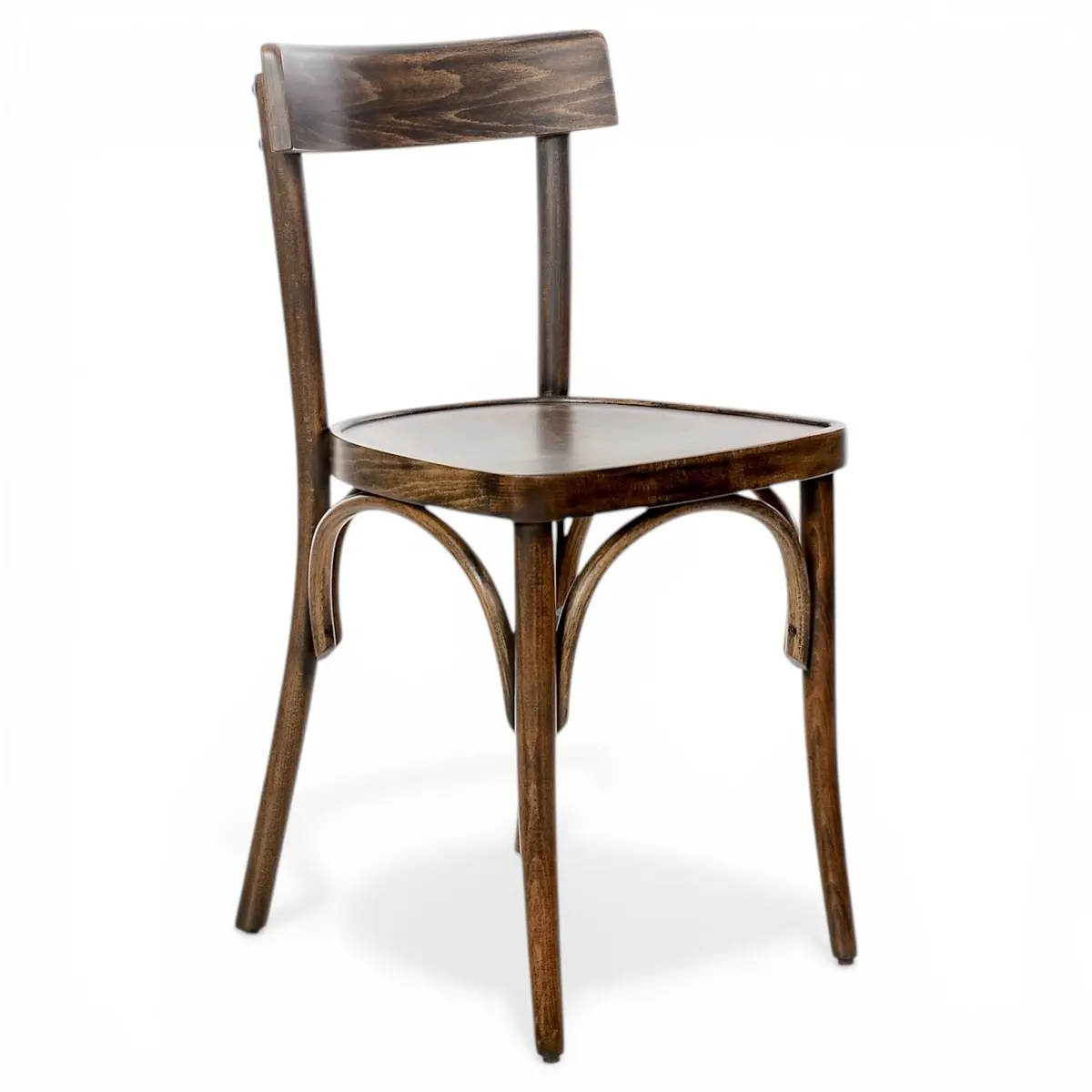
Bernie restaurant chair: View the Bernie solid wood chair
4) Is it worth paying more for commercial-grade furniture?
Yes, in almost every case. Residential or "contract-look" chairs can look similar on day one, but joints, glue lines and upholstery fail much faster under restaurant use. A commercial chair is used by many different guests each day, dragged across floors and leaned back on two legs.
The better way to think about price is cost per year of service. A chair that costs more but lasts eight to ten years is cheaper than a lower-priced chair that has to be replaced after three. Our article on heavy duty restaurant chairs explains what to check in frames and joints. At BESeating, every chair, table, booth and bar stool goes through a quality testing process before it ships.
5) Wood or metal: which fits a tighter budget?
Both can fit a careful budget. Metal chairs are often chosen for patios and very high-traffic, quick-service areas. Solid wood chairs bring warmth and can be refinished, which extends their life. BESeating wood chairs are manufactured in Europe from carefully selected beech and oak, so the frame is designed for daily commercial use.
| Factor | Solid wood chairs | Metal chairs |
|---|---|---|
| --- | --- | --- |
| Look | Warm, classic or mid-century | Industrial, modern, outdoor-ready |
| Repairs | Can be re-glued, refinished, re-stained | Welds and powder coat need specialist repair |
| Weight | Typically 9–15 lb (4–7 kg) | Varies widely by material |
| Best use | Full-service dining, cafés, hotels | Patios, fast casual, high turnover |
For a deeper comparison, see wood vs metal bar stools and browse the wood chairs and metal chairs collections.
6) How much of the budget should go to booths?
Booths are usually priced per unit or per linear foot, and they can take a large share of the budget in a small number of seats. They also bring the highest perceived comfort and help you use wall space well. If booths are central to your concept, plan them early because they affect electrical, HVAC returns and wall finishes.

Double booth with wood box: View the double booth
A typical booth seat depth is around 18–20 in (46–51 cm) with a seat height of about 18 in (46 cm). Compare options in the restaurant booths collection, and match booth upholstery to your chairs so the room reads as one design.
7) Where can you save without hurting the guest experience?
Smart savings come from simplifying, not from downgrading the pieces guests touch.
- Standardize models: using one or two chair models across the room makes spares simpler and reduces mixed orders.
- Choose standard table sizes: custom tops in unusual shapes add cost and complicate replacements.
- Use the right base, not the biggest: a correctly sized table base is stable without overspending.
- Limit finish variety: one stain and two upholstery colors are easier to order and maintain than six.
- Phase secondary zones: if cash flow is tight, furnish the main dining room first and the patio or lounge later.
8) What hidden costs should be in the budget?
Most budget overruns come from items that were never on the list. Include these lines from the start:
- Freight and delivery, including liftgate or inside delivery if needed
- Receiving, inspection and unpacking time (see our guide to restaurant furniture delivery)
- Spare chairs and stools, typically 3–5% of the count
- Glides, floor protectors and touch-up kits
- Samples of finishes, vinyls and fabrics
- Storage if furniture arrives before the space is ready
Most BESeating restaurant chairs arrive fully assembled, which reduces on-site labor, but you still need time and space to receive and check them.
9) Why should samples be part of the budget?
Samples cost little compared with a full order, and they prevent the most expensive mistake: a room full of chairs in the wrong color or comfort level. BESeating offers samples for all products, including fabric and vinyl swatches. Test a chair at your actual tables, check the stain under your lighting and sit in it for a full meal.

Arizona vinyls: View Arizona commercial vinyls
10) How do upholstery choices change the budget?
Upholstered seats and backs add cost but increase comfort and allow color in the room. Commercial vinyl is usually the most practical for busy dining rooms because it wipes clean. Fabrics bring texture and warmth. Check durability ratings before you commit; our guide to double rub count explains what numbers make sense for restaurants. Browse colors in the upholstery and colour range.
11) Should you budget differently for a remodel?
Yes. In a remodel you may be able to keep tables or bases and replace only chairs, or re-cover booths instead of replacing them. Inventory what you have, mark each piece keep, repair or replace, and budget only for the replace column plus a reserve. Our article on restaurant remodel furniture walks through that process.

Sean chair installation: View the Sean chair installation
Final recommendation
Build your restaurant furniture budget from the floor plan outward: seat count, seating mix, cost per seat, then a 5–10% reserve. Put the most money into chairs and booths, keep tables simple and correctly sized, and pay for samples before committing to a full order. That approach controls cost without giving guests a lower-quality experience.
Next step: share your floor plan and seat count through our contact page, and order samples of the chairs and finishes you are considering. You can also read how to choose a restaurant furniture supplier.
FAQ: Restaurant furniture budget
What percentage of a restaurant build-out goes to furniture?
It varies widely by concept, size and how much construction is involved. Furniture is usually a smaller line than construction and kitchen equipment, but it is one of the most visible. Instead of a fixed percentage, build your number from seat count and cost per seat, then compare it with your overall project budget.
How many spare chairs should I order?
Most restaurants order around 3–5% extra chairs and bar stools. Spares let you replace a damaged chair immediately instead of waiting for a reorder, and they keep the finish and upholstery matched. For large rooms or multi-location groups, a few spares per location quickly pays for itself.
Is it cheaper to buy chairs and tables from the same supplier?
Often it is simpler, and it can reduce freight and coordination. One supplier can match finishes across chairs, tops and bases and handle a single delivery. Still compare quality and suitability item by item; the cheapest combined order is not always the best value per year of service.
Can I furnish a restaurant in phases?
Yes. Many owners furnish the main dining room for opening and add patio, lounge or private dining furniture later. If you phase, choose models that will still be available, keep a written record of finishes and upholstery codes, and order samples to match new pieces to the first order.
How do I keep the furniture budget from growing during the project?
Lock the seat count and seating mix early, approve samples before ordering, and keep a written list of every model, finish and fabric. Track change requests against the reserve line. Most overruns come from late layout changes, unplanned upholstery upgrades and forgotten freight or receiving costs.



Be Seating 2010 - 2026 All rights reserved ©
Request a quote
CloseName
Phone
Company name
Industry type
Country
Notes
Please enter the result below
I agree with....
Wrong verification code.
All fields are mandatory
Thank you for your message! We will come back to you shortly.